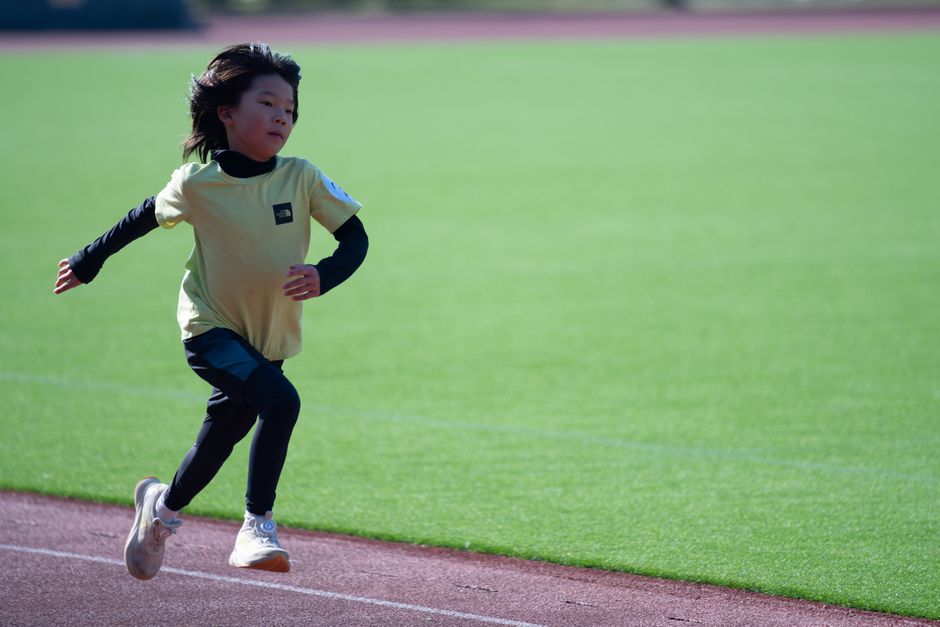
Ottawa has long been a city that loves its youth sports, from hockey rinks in Nepean to soccer fields in Barrhaven, tens of thousands of children suit up every season to compete, train, and grow. But as participation numbers climb, experts are raising an urgent question: are we actually putting their health first?
A recent piece published in The Conversation argues that Ottawa and cities like it need to shift their approach to youth athletics, moving away from a win-at-all-costs culture and toward one that genuinely centres the physical and mental wellbeing of every young participant.
More Than Just Injuries
When most people think about athlete health, they picture broken bones or torn ligaments. But the issue runs much deeper. Overtraining, early sport specialization, inadequate rest, and the psychological pressure to perform can take a serious toll on children, often in ways that don't show up until years later.
Researchers have increasingly documented the risks of pushing young athletes too hard too soon: burnout, chronic pain, disordered eating, anxiety, and long-term joint damage. For children whose bodies are still developing, the stakes are particularly high.
Ottawa's Sports Culture at a Crossroads
Ottawa is home to a thriving minor sports ecosystem. Hockey associations, gymnastics clubs, swimming programs, and youth football leagues draw thousands of families each year. The city's parks and recreation infrastructure is genuinely impressive, but infrastructure alone doesn't guarantee healthy outcomes.
Coaches, parents, and administrators all play a role in shaping the environment young athletes experience. When winning is prioritized over wellness, children learn to push through pain, hide struggles, and equate their self-worth with athletic performance. That's a pattern experts say Ottawa's sports community has both the awareness and the resources to change.
What Prioritizing Health Actually Looks Like
Putting athlete health first isn't just about having a physio on the sidelines. It means:
- Encouraging multi-sport participation rather than early specialization, giving kids' bodies and minds a chance to develop broadly
- Building rest and recovery into training schedules, not treating it as optional
- Creating safe spaces where young athletes can speak up about pain, pressure, or mental health struggles without fear of losing playing time
- Training coaches and parents to recognize the signs of overuse injuries and emotional burnout
- Listening to kids about whether they're actually enjoying the sport
Ottawa's public health and recreation officials, alongside local sports organizations, are well-positioned to lead on these fronts. Some clubs are already making strides, but the call is for a more systemic, city-wide commitment.
The Bigger Picture
Sports can be one of the most powerful forces in a child's life, building resilience, friendships, discipline, and joy. Ottawa has everything it needs to make that experience a healthy one. The shift starts with a simple reframe: the goal isn't to produce elite athletes. It's to raise healthy, happy kids who love being active.
That's a goal every parent, coach, and city planner in Ottawa can get behind.
Source: The Conversation via Google News Ottawa Life RSS feed