The Element Everyone Overlooked
When game studios want to show off their latest graphics engine, they reach for water. Splashing ocean waves. Rain-soaked streets with puddles that catch reflections through ray tracing. Water is the benchmark, the demo reel moment, the thing reviewers screenshot and post online.
But snow? Snow has been quietly doing something water can't: building worlds that feel cozy, melancholy, dangerous, and alive, all at once. And two recent releases, Moomintroll: Winter's Warmth and Froggy Hates Snow, are fresh proof that developers who lean into snow aren't settling for second best. They're making a deliberate, meaningful creative choice.
Moomins and the Weight of Winter
Winter's Warmth is the second game based on the beloved Moomin franchise, the iconic Finnish fairy tale universe created by author and artist Tove Jansson. The Moomins have always had a complicated relationship with winter: in Jansson's stories, the Moomin family hibernates through the cold months, and the rare Moomintroll who wakes up mid-winter encounters a world transformed into something strange and beautiful and a little eerie.
That tension, between the stillness of a snow-covered landscape and the warmth you're searching for inside it, is exactly what games can explore in ways other mediums struggle to match. When you're the one moving through the snow, feeling it slow your steps or watching it drift past a frosted window, the atmosphere hits differently than it does on a page or a screen.
Winter's Warmth leans into that Jansson-esque mood. Snow here isn't just a visual backdrop. It's the emotional setting. It evokes hibernation, introspection, the particular kind of stillness that only deep winter delivers.
Froggy's Very Bad Winter
Froggy Hates Snow takes a different angle entirely. Where the Moomin game invites you to settle into winter's quiet, Froggy seems to be about resisting it, the very title signals frustration, the grumpy opposite of cozy. But that's still snow doing its job: shaping the tone, creating a world with a distinct personality.
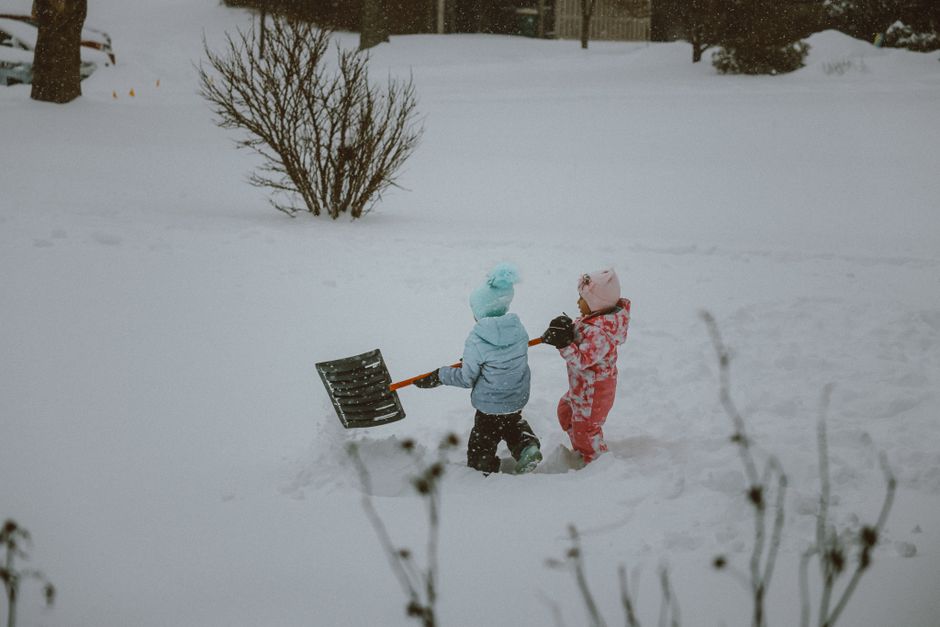
It's a smart comedic premise, and one that works precisely because snow carries such universal emotional weight. Everyone who has ever shovelled a driveway at 7am, or slipped on black ice, or watched a cold snap cancel their weekend plans, understands Froggy's position immediately.
Why Snow Works Where Water Doesn't
Water is impressive. But water is transient. It flows, splashes, and disappears. Snow accumulates. It transforms landscapes slowly, changes the rules for how you move through a space, and sticks around long enough to become the world itself rather than just a feature of it.
Snow is also uniquely quiet. Games that use it well understand that silence and stillness are their own kind of power. A snow-covered field at dusk communicates something that no amount of particle effects or physics simulation can manufacture from scratch.
As both Moomintroll: Winter's Warmth and Froggy Hates Snow demonstrate, the best game worlds don't just look impressive. They feel like somewhere real. Snow, it turns out, is one of the most reliable tools for getting there.
Source: The Verge

