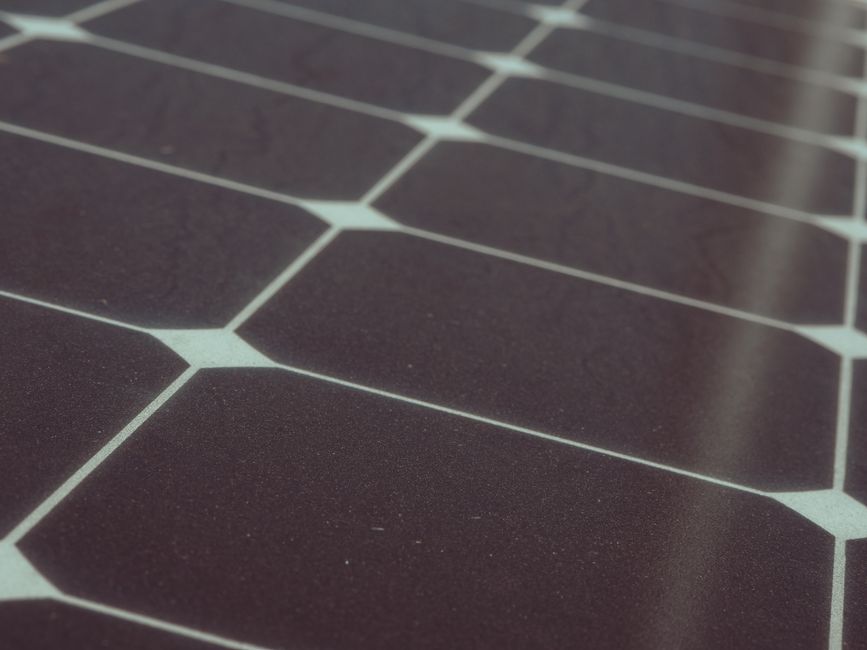
The Sun Is Winning, For Now
Solar energy is cementing its place as the undisputed leader in global electricity generation, and the economics are only getting better. According to a new analysis, the cost of solar panels is expected to fall by another 30% over the next ten years, building on decades of dramatic price drops that have already made solar the cheapest source of new electricity generation in most of the world.
By 2035, solar is projected to dominate global energy markets in a way that would have seemed unthinkable just a generation ago. Countries that once relied almost entirely on coal and natural gas are rapidly pivoting, driven by falling costs, energy security concerns, and mounting pressure to reduce carbon emissions.
The AI Wrinkle
Here's where the story gets complicated: the artificial intelligence boom is creating a massive, largely invisible drag on the clean energy transition.
AI data centers, the enormous server farms that power tools like ChatGPT, Google Gemini, and thousands of enterprise AI applications, consume staggering amounts of electricity. Training a single large language model can use as much power as hundreds of homes consume in a year, and inference (actually running these models for users) happens billions of times a day.
The scale of this demand is pushing energy grids to their limits. In the United States, tech giants like Microsoft, Google, and Amazon are racing to secure long-term power contracts, and not all of that power is coming from renewables. In some regions, the surge in data center demand is actively keeping coal and natural gas plants online that might otherwise have been retired.
A Race Between Two Trends
What's unfolding is essentially a race: can solar and other renewables scale fast enough to meet both existing demand and the exploding appetite from AI infrastructure?
Some analysts are cautiously optimistic. Solar's cost curve has consistently outpaced even the most aggressive forecasts, and battery storage technology is improving rapidly, addressing one of solar's key weaknesses, intermittency. Wind, geothermal, and nuclear are also scaling in different regions.
But others warn that without deliberate policy intervention, AI's energy hunger could meaningfully delay decarbonization timelines. Data centers tend to cluster in areas with cheap power, which isn't always clean power, and their operators are under intense pressure to keep the lights on reliably, making fossil fuel backup capacity attractive.
What It Means for the Grid
The practical upshot is that the energy transition is happening faster than anyone expected at the macro level, while being slower and messier at the local level. Grids in regions experiencing rapid data center growth, parts of the U.S. Southeast, Northern Virginia, Ireland, and Singapore, are already strained.
Policymakers are beginning to respond, with some jurisdictions requiring new data centers to source a percentage of power from renewables or to invest in grid infrastructure improvements. But regulation is moving slowly compared to the pace of AI deployment.
Solar's rise is real, transformative, and unstoppable over the long term. The question is whether the digital economy's power demands will be a speed bump, or a genuine detour, on the road to a cleaner grid.
Source: TechCrunch

