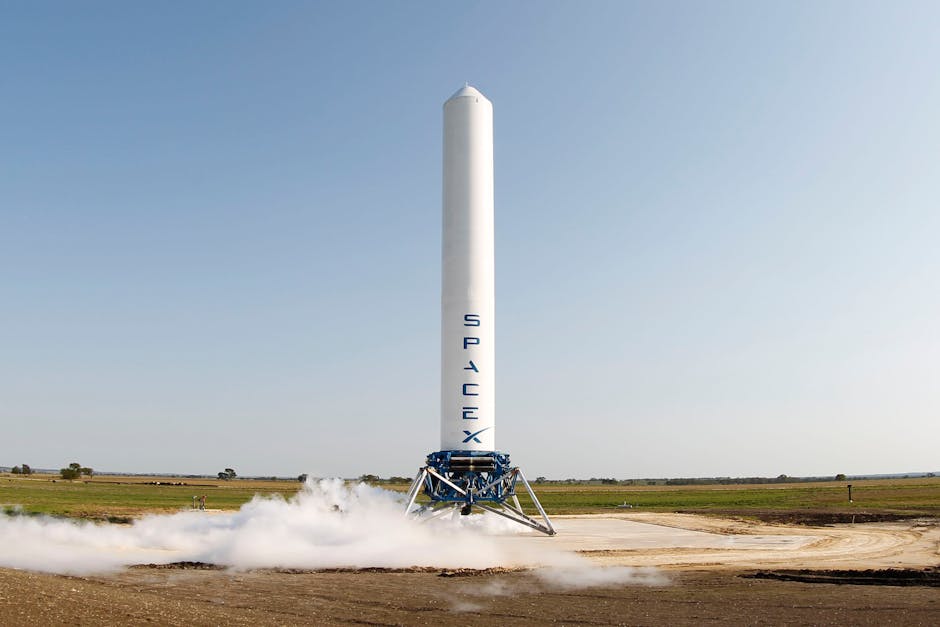
SpaceX Finally Goes Public
After years of speculation, SpaceX has officially filed for its initial public offering, and the document is as revealing as it is historic. At 330 pages, the prospectus reads like a guided tour through Elon Musk's vision for humanity's future: rocket launches, Mars colonization, Starlink satellites blanketing the globe. But tucked inside the ambitious language is a candid admission that's already turning heads on Wall Street: Elon Musk is a material risk to the company he founded.
The IPO, if successful, could make Musk the world's first trillionaire. It would also be one of the most significant public offerings in tech history, valuing a company that has fundamentally reshaped the commercial space industry.
A Web of Overlapping Interests
What makes the SpaceX filing particularly fascinating, and potentially concerning to investors, is how thoroughly it documents the interconnections between Musk's various companies. A search of the document turns up Tesla mentioned 87 times, xAI a staggering 356 times, and X (formerly Twitter) 267 times. Even smaller Musk ventures like The Boring Company (7 mentions) and Neuralink (3) make appearances.
This isn't just corporate boilerplate. The filing traces the financial and operational threads that run between these companies, contracts, shared technology, cross-promotional arrangements, and the simple reality that Musk's attention is spread across multiple massive enterprises simultaneously.
Why Musk Is the Risk
The core concern for prospective investors is straightforward: SpaceX's success is deeply, perhaps inseparably, tied to one person. Musk's vision drives the company's culture, its audacious timelines, and its ability to attract top engineering talent. But that same concentration of influence creates vulnerabilities.
Controversy surrounding Musk's other ventures, particularly his ownership of X and his polarizing political activity, has already affected Tesla's brand perception and stock price. The SpaceX filing effectively acknowledges that similar turbulence could spill over. If Musk's public standing deteriorates further, or if his attention is pulled in too many directions, the company faces real operational risk.
There's also the question of governance. SpaceX is structured in ways that give Musk extraordinary control. Investors buying in would be, in many ways, betting on the man as much as the rockets.
The Bigger Picture
Despite the risks, SpaceX's underlying business is genuinely impressive. Starlink, its satellite internet service, has become a significant and growing revenue stream. NASA and the U.S. Department of Defense are major customers. The company has achieved milestones, reusable rockets, crewed orbital flights, the Starship program. That were considered pipe dreams a decade ago.
The IPO will test whether public markets are willing to price in both the extraordinary upside and the very real Musk-shaped uncertainty. Given the appetite investors have shown for high-risk, high-reward tech bets in recent years, the offering is expected to generate enormous demand.
Whether that demand holds once shareholders get a closer look at the risk factors section remains to be seen.
Source: The Verge

