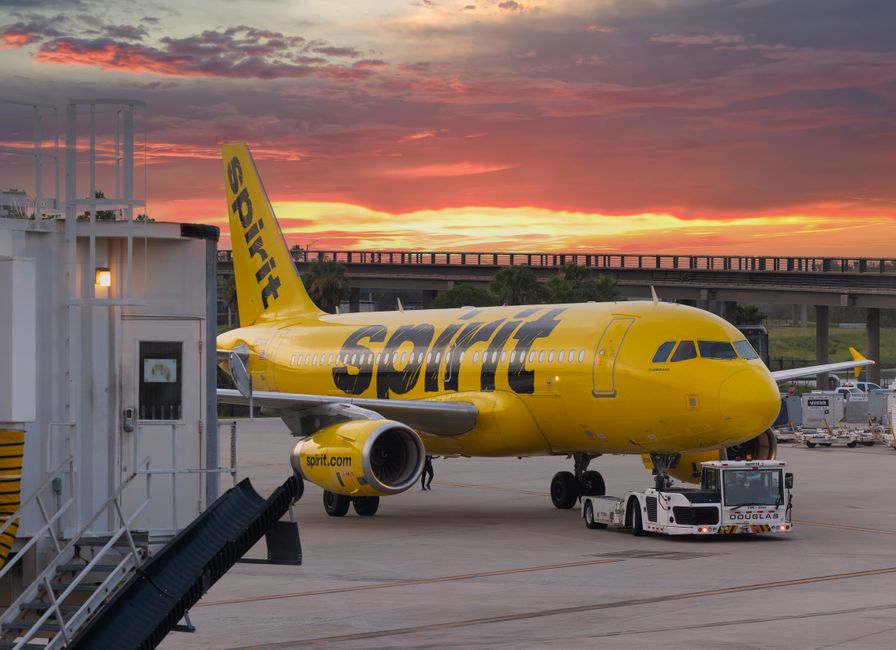
Spirit Airlines Is Gone, And It Happened Overnight
In the early hours of Saturday morning, Spirit Airlines quietly went dark. At 3AM ET, the ultra-low-cost carrier canceled all flights and shut down operations after 34 years in business. Its website now redirects to spiritrestructuring.com, with a stark message telling passengers not to bother heading to the airport.
Air traffic control recordings captured a surreal final chapter, controllers and pilots exchanging sign-offs as Spirit's last flights touched down across the country, marking the end of an era for budget air travel in North America.
What Brought Spirit Down
The airline had been struggling financially for years, but the final blow came from a dramatic spike in jet fuel prices. Analysts point to the Trump administration's escalating tensions with Iran as a key driver, military posturing in the Persian Gulf sent oil markets into a tailspin, and aviation fuel costs doubled in a matter of weeks.
For an ultra-low-cost carrier like Spirit, which competed almost entirely on price, that kind of fuel shock is existential. Spirit's entire business model depended on keeping operating costs razor-thin. With fuel costs doubling, there was simply no runway left.
What Happens to Passengers
If you're one of the thousands of travelers holding a Spirit ticket, the news isn't all bad, but you'll need to act fast.
According to the airline's restructuring website, refunds for tickets purchased by credit card or debit card have already been issued and should process within a few business days depending on your bank. Passengers who purchased through third-party platforms are advised to contact those services directly.
The message is clear: don't go to the airport. Spirit's check-in systems are offline, and no Spirit flights will operate going forward.
The End of an Ultra-Low-Cost Era
Spirit was founded in 1983 and became one of the most recognizable, and polarizing, airlines in the United States. Its bright yellow planes and stripped-down fares made flying accessible to millions of travelers who couldn't afford legacy carriers, while its fees for everything from carry-ons to seat selection became the subject of endless complaints and jokes.
The airline had already filed for Chapter 11 bankruptcy protection in late 2024 and attempted a restructuring, but it couldn't stabilize in time. The fuel crisis proved to be the final straw.
A Warning Sign for Budget Travel
Spirit's collapse raises bigger questions about the future of ultra-low-cost aviation. If fuel volatility continues, and with ongoing geopolitical instability, there's no reason to expect otherwise, other budget carriers could face similar pressure. Airlines like Frontier and Allegiant operate on comparable cost structures and will be watching fuel markets closely.
For Canadian travellers who sometimes connected through U.S. Spirit hubs to reach international destinations, this is yet another reminder to book flexible fares and check the financial health of carriers before locking in travel plans.
Spirit Airlines may be gone, but the budget travel market it helped create isn't going anywhere. Someone will fill the void, the question is who, and at what price.
Source: The Verge