A Medical Emergency at the Edge of the World
Tristan da Cunha doesn't make the news often, and that's largely by design. The tiny British overseas territory, home to around 250 people, sits in the South Atlantic Ocean roughly 2,400 kilometres from the nearest landmass. There are no airports. No regular ferry service. Getting there, under normal circumstances, takes about a week by ship from Cape Town.
But when a resident developed a suspected case of hantavirus earlier this week, authorities weren't willing to wait.
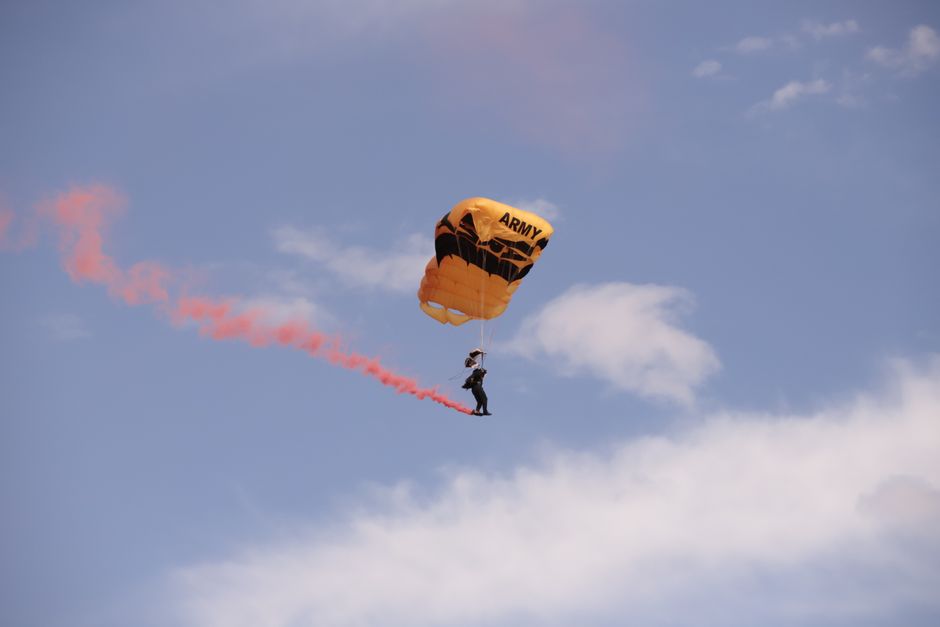
The British Army deployed a specialist medical team, who parachuted directly onto the island to assess and treat the patient. It's the kind of operation that underscores just how extraordinary the logistics of life, and emergencies, on Tristan da Cunha truly are.
What Is Hantavirus?
Hantavirus is a serious viral illness transmitted primarily through contact with infected rodents, their droppings, urine, or saliva. In rare cases, the virus can cause Hantavirus Pulmonary Syndrome (HPS), a severe respiratory illness with a significant fatality rate if left untreated.
While hantavirus infections are relatively rare, they require prompt medical attention. Symptoms typically begin with fever, fatigue, and muscle aches before potentially progressing to respiratory distress. There is no specific cure; treatment focuses on supportive care, often including oxygen therapy and in severe cases, intensive care.
Given Tristan da Cunha's extreme isolation, getting the patient to a hospital on the mainland in time would have been nearly impossible through conventional means.
The Logistics of an Island Rescue
The British military's response highlights both the unique challenges of governing such a remote territory and the UK's commitment to the welfare of its overseas communities.
Parachuting a medical team onto the island, rather than attempting a lengthy sea voyage, was almost certainly the fastest viable option. Tristan da Cunha has a small airstrip that can accommodate light aircraft in good weather, but operational constraints and the nature of the terrain often make air access difficult.
The island's isolation is part of its identity. Tristan da Cunha was first permanently settled in 1816 when a British garrison was stationed there, in part to prevent any French rescue attempt for Napoleon Bonaparte, then exiled on nearby St. Helena. Today, the community is tight-knit and self-sufficient, but medical emergencies of this magnitude require outside intervention.
A Community Unlike Any Other
Life on Tristan da Cunha is genuinely unlike anywhere else on the planet. The island has its own government, its own economy based on fishing and tourism, and a population that famously shares just eight surnames, a reflection of its small founding population.
Residents do have access to a small hospital and basic medical facilities, but complex or acute cases often require evacuation to South Africa or the United Kingdom. The nearest hospital with full critical care capabilities is thousands of kilometres away.
The outcome for the patient had not been publicly confirmed at the time of reporting, but the swift military response suggests authorities treated the situation with the utmost urgency.
This incident is a striking reminder that even in the 21st century, geography can still be a matter of life and death, and that the world's most remote communities depend on extraordinary measures when the unexpected strikes.
Source: BBC World News

