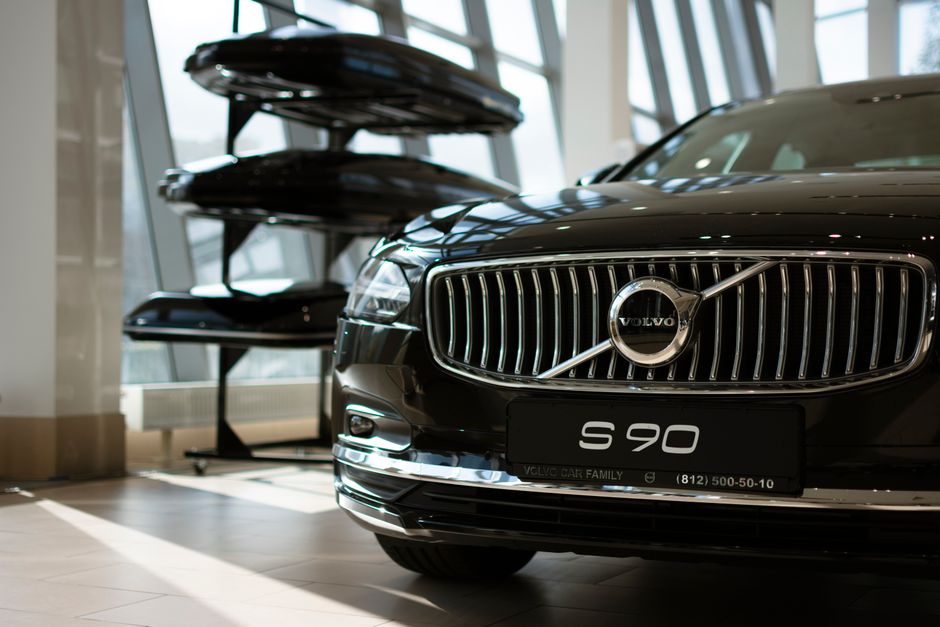
A High-Stakes Decision for a Swedish Brand With Chinese Roots
The Trump administration has given Volvo Cars the green light to keep selling connected vehicles in the United States, ending a period of uncertainty for the automaker that has navigated an increasingly fraught geopolitical landscape.
Volvo, the iconic Swedish brand, is majority-owned by Geely Holdings, a Chinese conglomerate, a fact that placed it squarely in the crosshairs of Washington's ongoing crackdown on Chinese-linked technology in American consumer products. Connected vehicles, which rely on cameras, sensors, and software to communicate with external networks, have become a flashpoint in U.S.-China tech tensions.
Why Connected Cars Are Under Scrutiny
The Biden administration first raised alarms about Chinese-linked connected vehicles in 2024, citing national security concerns around data collection and potential remote access. The worry: that vehicles gathering detailed location, biometric, and behavioural data from American drivers could funnel sensitive information to the Chinese government.
The Trump administration inherited and largely maintained this hawkish stance on Chinese tech. Rules introduced by the Commerce Department restricted the import and sale of connected vehicle systems with sufficient ties to China or Russia.
For Volvo, the ownership structure made compliance complicated. Despite being a Swedish company with engineering roots in Gothenburg and a significant manufacturing presence in South Carolina, its parent company's Chinese identity meant it couldn't simply sidestep the scrutiny applied to brands like BYD or SAIC.
Expansion Plans Back on Track
With the permit now secured, Volvo says it can move forward with expansion plans at its U.S. factory in Berkeley County, South Carolina, a facility the company has invested heavily in as part of its push to grow its American footprint and reduce exposure to tariff risk.
The plant currently produces the EX90 electric SUV, one of Volvo's most tech-laden vehicles and a key part of its strategy to compete in the premium electric segment. Keeping that vehicle on American roads, and being able to scale production, is critical to Volvo's long-term U.S. ambitions.
A Precedent With Broad Implications
The ruling may set an important precedent for other foreign automakers with Chinese ownership links that are trying to sell connected vehicles in the U.S. market. It signals that Washington is willing to make case-by-case determinations rather than applying a blanket ban, at least for companies with substantial American manufacturing operations and credible arguments about data security.
For the broader auto industry, this is a closely watched case. Automakers worldwide are racing to build more software-defined, connected vehicles, and the regulatory lines being drawn in the U.S. will shape how they design, market, and manufacture cars for the world's second-largest auto market.
Volvo has not disclosed the specific conditions attached to the permit, but the approval offers the company breathing room it urgently needed as it works to remain competitive in a rapidly evolving electric vehicle landscape.
Source: TechCrunch