The open-plan office has survived decades of reinvention, hot-desking, standing desks, phone booths, but artificial intelligence may be about to deliver its most dramatic transformation yet: the whisper-filled workplace.
As AI voice assistants become more capable and more deeply embedded into everyday workflows, the way we interact with our computers is shifting from typing to talking. And that shift has enormous implications for how offices are designed, how colleagues co-exist, and what "work" actually sounds like.
From Keyboard Clatter to Constant Murmurs
For most of the past four decades, the background soundtrack of the office has been the rhythmic tap of keyboards and the occasional phone call. Now, a new sound is emerging: workers quietly narrating their tasks to AI tools, drafting emails by voice, asking assistants to pull up data, dictating documents while barely glancing at a screen.
This isn't the loud, performative voice-command era of early Siri and Alexa. Modern AI voice interfaces are designed for low-effort, conversational interaction, which means whispers, murmurs, and the kind of soft-spoken exchanges we usually reserve for library reading rooms.
Office Design Will Have to Catch Up
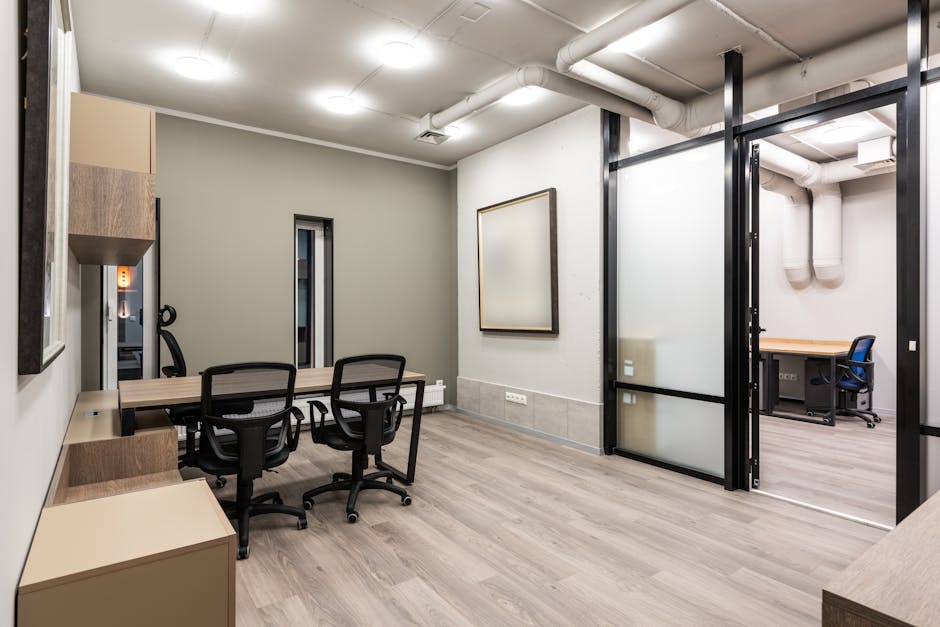
If voice becomes the primary human-computer interface, the physical office will need to change dramatically. Acoustic design, long an afterthought in workplace planning, moves to the centre. Open floors notorious for noise bleed become untenable. Private pods, soft-walled alcoves, and noise-cancelling infrastructure become necessities rather than executive perks.
There's also the question of privacy. When you're typing, your thoughts stay on your screen. When you're talking to an AI, your words are audible, potentially to colleagues, to building systems, and to the platforms processing your voice data. Organizations will need clear policies about what gets spoken aloud and what stays keystroke-private.
The Etiquette Problem Nobody Has Solved Yet
Perhaps the trickiest challenge is social. Offices have always negotiated unspoken rules about noise, when it's okay to take a call at your desk, how loud is too loud, whether AirPods signal "do not disturb." Voice-first computing throws all of that into flux.
Is it rude to dictate a long email next to a focused colleague? Do you whisper out of courtesy, or does that make the constant murmur worse? These interpersonal friction points won't be solved by any app update. They'll require new norms, new spatial arrangements, and possibly a rethinking of when and where voice-heavy work gets done.
A Shift Already in Motion
The trend is already visible in how tools like Microsoft Copilot, Google Gemini, and a range of AI coding assistants are being built: with voice as a first-class interaction mode, not an afterthought. Workers who adapt to conversational computing, speaking fluidly to their machines as they would to a capable assistant, are likely to find productivity gains that pure typists won't.
The question isn't whether the office of the future will be noisier or quieter. It'll probably be both, louder with murmured human-AI conversation, quieter in the absence of the old rhythms of physical computing. What it will definitely be is different.
Source: TechCrunch