As the US-Israel war with Iran reverberates across global supply chains, few regions stand to suffer more acutely than Africa. Across the continent, the combination of heavy dependence on imported fertiliser from the Gulf and high food expenditure as a share of household income leaves hundreds of millions of people exposed to the economic shockwaves of the conflict.
Fertiliser: Africa's Critical Vulnerability
Agriculture is the backbone of many African economies, employing the majority of the population in countries across sub-Saharan Africa and North Africa alike. But African food production has become deeply dependent on imported fertiliser, much of it produced in or shipped through Gulf countries and transited through the Strait of Hormuz.
With the strait now closed due to the Iran conflict, those supply chains have been severed or severely disrupted. Fertiliser prices were already rising before the war; they have now spiked sharply. For smallholder farmers operating on razor-thin margins, the inability to access affordable fertiliser at the start of the planting season could devastate harvests months down the line.
The Food Price Multiplier
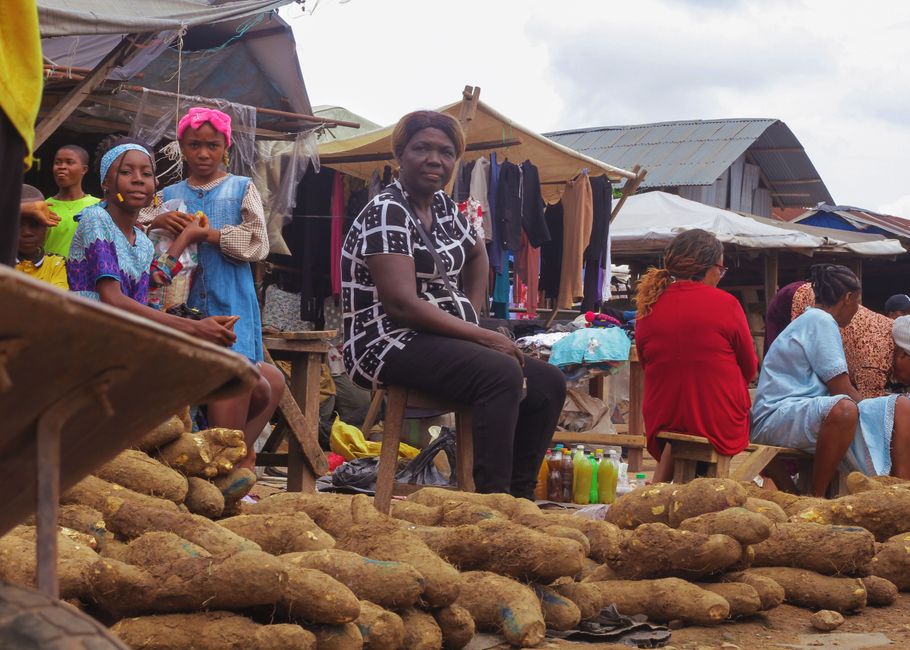
The impact is compounded by the structure of household budgets across much of Africa. In many African countries, food spending accounts for 40 to 60 percent of household income, compared to roughly 10 to 15 percent in wealthy Western nations. That means even moderate increases in food prices have an outsized and immediate impact on living standards and food security.
With both fertiliser costs and global food commodity prices rising in response to the Iran conflict, African households are being squeezed from multiple directions simultaneously.
The Oil Price Channel
High oil prices, currently near $100 per barrel, create a further cascade of problems for African economies. Transportation costs rise, increasing the cost of moving food from farms to markets. Energy costs for food processing and storage increase. Import bills balloon for oil-dependent countries. Currencies in some African nations have already weakened against the dollar as global risk aversion increases, further raising the cost of dollar-denominated imports like food and fuel.
Countries Most at Risk
While the entire continent faces pressure, some countries are particularly exposed. Nations in East Africa and the Horn of Africa, already dealing with climate-related food insecurity, face compounded risk. West African countries that depend heavily on imported rice and wheat from global markets are also vulnerable. North African nations with close economic ties to the Gulf may find their supply chains disrupted in unexpected ways.
Humanitarian agencies including the World Food Programme have warned that the Iran conflict could trigger or worsen food crises in multiple African countries if supply chain disruptions persist.
Calls for Emergency Response
African governments and the African Union have called for the international community to prioritise humanitarian supply chain exemptions that would allow fertiliser and food shipments to continue reaching vulnerable nations regardless of the broader military conflict.
They have also called for emergency financial support to help governments and farmers absorb the shock of higher input costs. So far, international response has been limited, with the attention of major powers consumed by the military and diplomatic dimensions of the Iran war.
The toll being paid by African farmers and families, who played no part in the decisions that led to this conflict, underscores the global reach of a crisis whose epicentre is thousands of kilometres away.
Source: The Guardian

