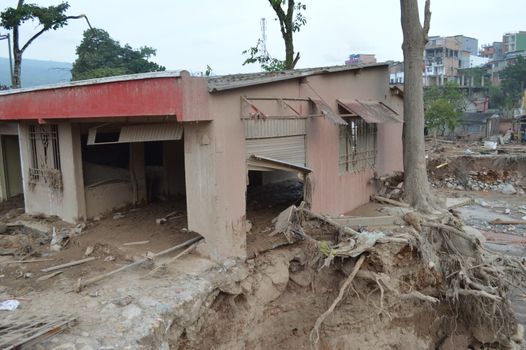
Record floods triggered by climate change have buried residents in landslides and swept away communities across Brazil's coffee heartland, and scientists warn it will only get worse, with global coffee prices already climbing in response.
Dozens of residents in Brazil's Minas Gerais state have been killed in landslides or swept away as roads turned into rivers over the past month. Thousands more have been forced to evacuate, while agricultural experts project the damage to the country's coffee crop will send prices higher for consumers around the world, including Canadian coffee drinkers.
Climate Science's Verdict
A rapid attribution analysis published this week found that the extreme rainfall patterns behind the Minas Gerais flooding were made significantly more likely and more intense by human-caused climate change. Scientists said the probability of such events increases roughly in proportion to global temperature rise, meaning that without aggressive emissions reductions, these disasters will become routine.
Brazil has been experiencing a string of climate-driven disasters in recent years, catastrophic floods in Rio Grande do Sul in 2024, severe droughts affecting the Amazon, and now this latest catastrophe in the country's agricultural heartland.
The Coffee Price Connection
Minas Gerais produces roughly a third of Brazil's coffee, and Brazil is the world's largest coffee exporter. The flooding has damaged or destroyed significant portions of the current harvest at the worst possible time, global coffee inventories were already low following previous climate disruptions in Vietnam and Colombia.
Futures prices for arabica coffee hit multi-year highs this week. Canadian consumers, who are among the world's highest per-capita coffee consumers, are likely to see those price increases reflected at their favourite local cafes and grocery store shelves within weeks.
Ottawa's Climate Context
The Brazil floods arrive as Canada's own climate commitments come under increasing scrutiny. The federal government's climate plan faces ongoing legal and political challenges, and the Ottawa region itself has experienced its own extreme weather events, including last week's severe ice storm that shut down sections of the O-Train and left thousands without power.
For Ottawans paying attention to the global picture, the Brazil disaster is a vivid illustration of what the science has long predicted: a warmer world is a more dangerous world, and the costs fall hardest on those least able to adapt.
Source: The Guardian

