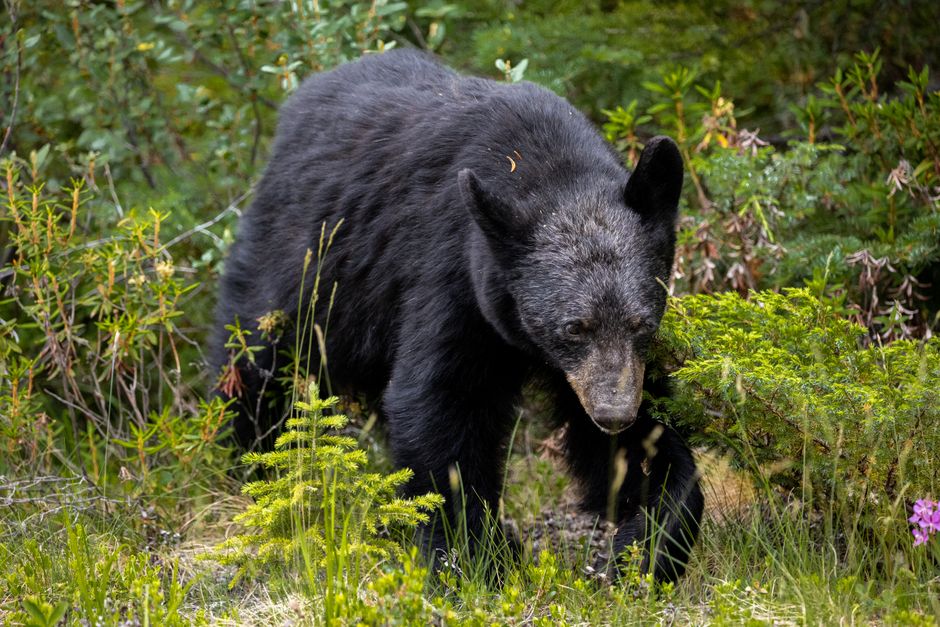
A Familiar Visitor Becomes a Fatal Risk
Alberta Fish and Wildlife Enforcement Services made a difficult call on May 6, euthanizing a black bear that had become a regular, and unwelcome, presence in the summer village of Burnstick Lake, located roughly 80 kilometres southwest of Red Deer in Clearwater County.
The bear was described as "habituated", a term wildlife professionals use to describe animals that have grown accustomed to humans and human environments to the point where they no longer keep a safe distance. It's a designation that, more often than not, leads to a grim outcome.
What Does 'Habituated' Actually Mean?
In wildlife management, habituation is one of the most serious warning signs an officer can flag. A habituated bear isn't necessarily an aggressive one, but its comfort around people creates a dangerous dynamic.
Once a bear learns that human spaces mean easy food, whether from unsecured garbage bins, bird feeders, or scraps left outdoors. It begins to associate people with reward rather than risk. Over time, the bear returns again and again, becoming bolder with each visit.
For residents of a small summer village like Burnstick Lake, where families gather seasonally and children play outdoors, a bear that refuses to stay away poses a genuine safety risk that wildlife officers cannot ignore.
Relocation Isn't Always an Option
Many people's first instinct is to ask: why not just relocate the bear instead of killing it? It's a fair and compassionate question, but wildlife experts in Canada are quick to explain the limits of that approach.
Bears are strong navigators with well-developed spatial memory. Relocated bears frequently return to the area they were removed from, sometimes travelling hundreds of kilometres to do so. When they don't return to the original site, they often create the same problems in the new location, because the learned behaviour, seeking food near humans, travels with them.
Relocation can work in some cases, particularly with young bears that haven't fully established their habits, but for a bear already deemed habituated after multiple confirmed sightings in a populated area, provincial wildlife officers assess that the risk of reoffending is too high.
Bear Awareness Season Is Here
The incident is a timely reminder that across Canada, spring and summer bring increased bear activity. Bears emerging from hibernation are hungry and opportunistic, and as more Canadians head to cottages, cabins, and summer properties, encounters become more likely.
Alberta, British Columbia, and Ontario consistently record some of the highest rates of bear-human conflict in the country. Provincial wildlife agencies routinely remind residents to secure garbage, remove bird feeders during warmer months, and never intentionally or unintentionally feed wildlife.
The best outcome for a bear, and for people, is one where the animal never learns to associate humans with food in the first place. Once that association is made, the consequences can be irreversible.
The euthanization of the Burnstick Lake bear is a sobering example of what happens when prevention fails, and a reminder that coexisting with wildlife starts with the choices we make at home.
Source: CBC News Calgary

