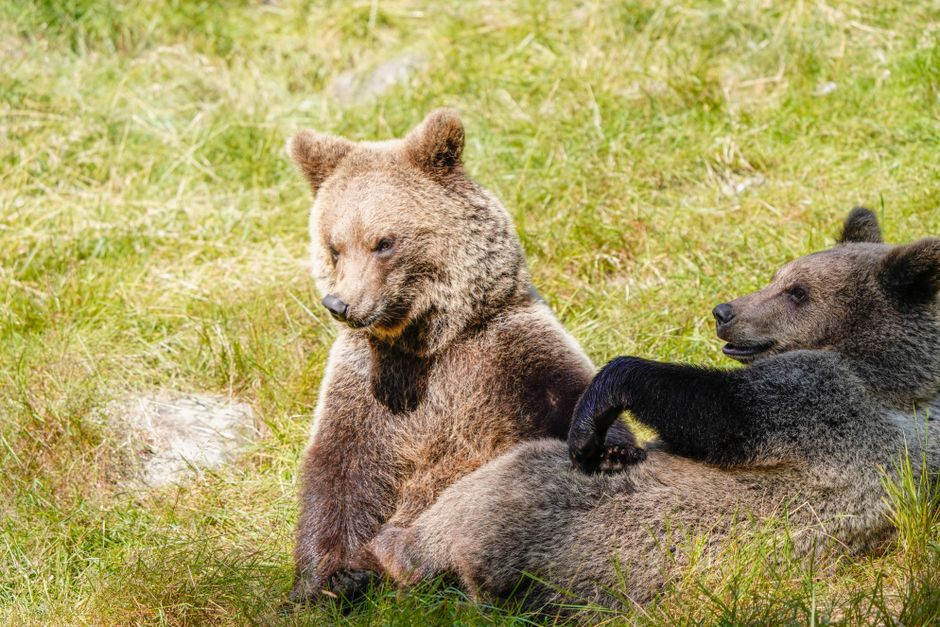
Another Heartbreaking Loss on Banff's Tracks
Banff National Park is mourning the loss of a young grizzly bear cub, struck and killed by a train on the railway line that runs through the heart of one of Canada's most celebrated wild spaces. Parks Canada has confirmed the death, describing it as a devastating blow to a species already navigating significant pressures across the Canadian Rockies.
The cub is the 19th grizzly bear to be killed on the park's rail corridor since 2005, a grim milestone that has conservation groups and wildlife advocates calling for urgent, systemic change.
A Species Under Pressure
Grizzly bears are considered a sensitive species in Alberta, with population numbers that make every single individual ecologically significant. In Banff, wildlife managers track individual bears closely, and the death of a cub, particularly one in its early, most vulnerable years, represents not just the loss of one animal, but the potential loss of future generations.
The railway line through Banff is a working freight corridor, carrying goods across the country. Trains travel through the park at speeds that make wildlife collisions nearly impossible to avoid once an animal is on the tracks. Bears, drawn to grain spilled from passing cars and attracted to the relative warmth and openness of the rail bed, are especially at risk during certain seasons.
What Parks Canada Has Done, and What Critics Say Isn't Enough
Parks Canada has implemented a number of mitigation measures over the years, including bear detection systems, speed reductions in high-risk zones, and collaboration with CN Rail and CP Rail on wildlife monitoring. Grain spill cleanup protocols have also been strengthened, targeting one of the key attractants drawing bears to the tracks.
But with 19 grizzly deaths over two decades, and counting, critics argue the measures haven't gone far enough. Wildlife biologists have long advocated for more aggressive interventions, including expanded wildlife underpasses, more robust real-time detection technology, and mandatory speed restrictions during peak bear activity periods in spring and fall.
Why Every Bear Counts
Grizzly bear recovery in the Canadian Rockies is a slow, multigenerational process. Female grizzlies don't begin reproducing until around age five, and typically raise only one to three cubs every few years. Cub mortality, whether from predation, starvation, or human causes like train strikes, has an outsized effect on population recovery.
Conservation organizations point out that grizzlies serve as an umbrella species: protecting them means protecting the broader ecosystem they inhabit. Their loss isn't just a sentimental one. It's an ecological one.
A Call for Action
The death of this cub has prompted renewed public grief and frustration across Canada. Wildlife advocates are urging the federal government and rail companies to treat grizzly bear deaths on the tracks as a national conservation emergency, not simply an unfortunate but acceptable cost of doing business.
For now, Banff's grizzly population continues to navigate a landscape carved up by highways, fences, and railways, beautiful and wild, but increasingly dangerous for the animals that call it home.
Source: CBC News Calgary. Original reporting by CBC's Calgary bureau.

