B.C. Renews Bear Safety Warnings After Troubling Week of Incidents
British Columbia's Conservation Officer Service is sounding the alarm on bear safety after two separate incidents this week highlighted the dangers of human-wildlife conflict in the province.
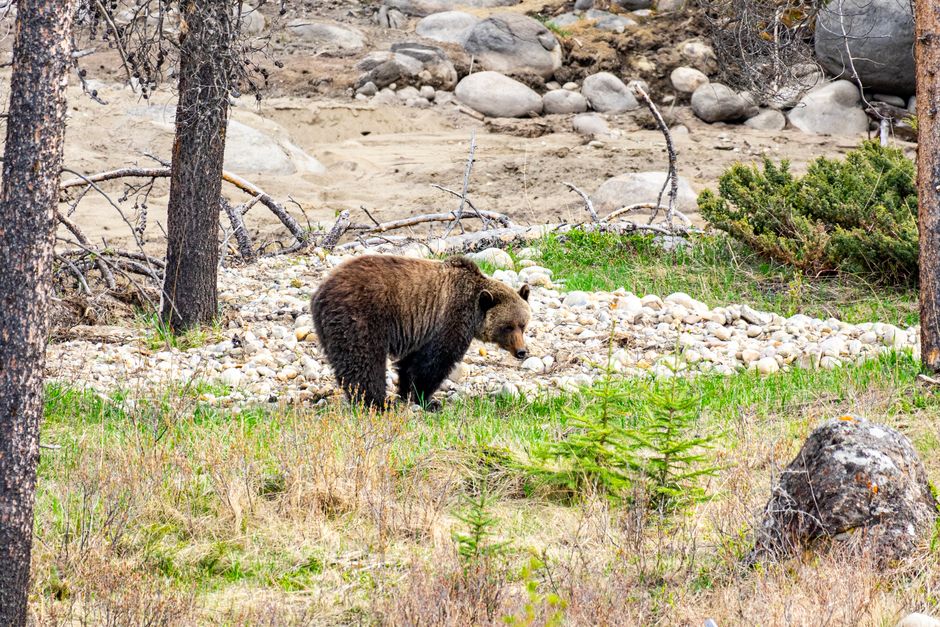
The first incident involved a grizzly bear near Smithers, B.C., where videos circulated online showing people feeding the animal, a dangerous and illegal practice that conditions bears to associate humans with food. The second incident involved a black bear attack, prompting renewed urgency from conservation officials across the province.
Feeding Wildlife Is More Than Just Illegal. It's a Death Sentence
When people feed bears, whether deliberately or through careless food storage, the consequences are rarely good for the animal. Once a bear loses its natural fear of humans and begins seeking out food in populated areas, it almost always ends with the bear being destroyed.
B.C.'s Conservation Officer Service made this point clearly in their public reminders this week: attracting bears into human habitat, even with good intentions, puts both people and the animals at serious risk.
Under B.C.'s Wildlife Act, intentionally feeding dangerous wildlife is an offence that can result in significant fines. But beyond the legal consequences, conservation officers stress that the real cost is borne by the bears themselves.
How to Avoid Attracting Bears
Whether you live in bear country or are visiting one of B.C.'s many stunning wilderness areas, the Conservation Officer Service recommends these key steps:
- Store attractants properly: Garbage, compost, pet food, and bird feeders should be secured in bear-proof containers or kept indoors.
- Clean your barbecue: Grease and food residue are powerful attractants, give your grill a thorough cleaning after every use.
- Pick fruit promptly: Fallen or overripe fruit in yards is a major draw. Harvest it regularly or remove it from the ground.
- Never approach or feed bears: No matter how calm a bear may seem, it is a wild animal and unpredictable. Feeding them, even accidentally, teaches them that humans mean food.
- Make noise on the trail: If hiking in bear habitat, clap, talk loudly, or use a bear bell to avoid surprising an animal at close range.
- Carry bear spray: And know how to use it. Bear spray is proven to be an effective deterrent when used correctly.
A Reminder That Bear Country Spans All of Canada
While this week's incidents occurred in B.C., bear safety is a nationwide concern. Black bears are found in every Canadian province and territory, and grizzlies roam large swaths of Western Canada and the territories. Every year, human-bear conflicts spike during berry season and in early spring when bears emerge from hibernation hungry and searching for calories.
Canadian wildlife agencies consistently remind the public that the best thing you can do for bears is to keep them wild. A fed bear is a dead bear. That phrase exists for a reason.
If you spot a bear behaving aggressively or repeatedly entering populated areas, report it to your provincial conservation service immediately rather than attempting to handle it yourself.
Source: CBC Top Stories. For more information on bear safety in your region, contact your provincial Conservation Officer Service or visit their official website.

