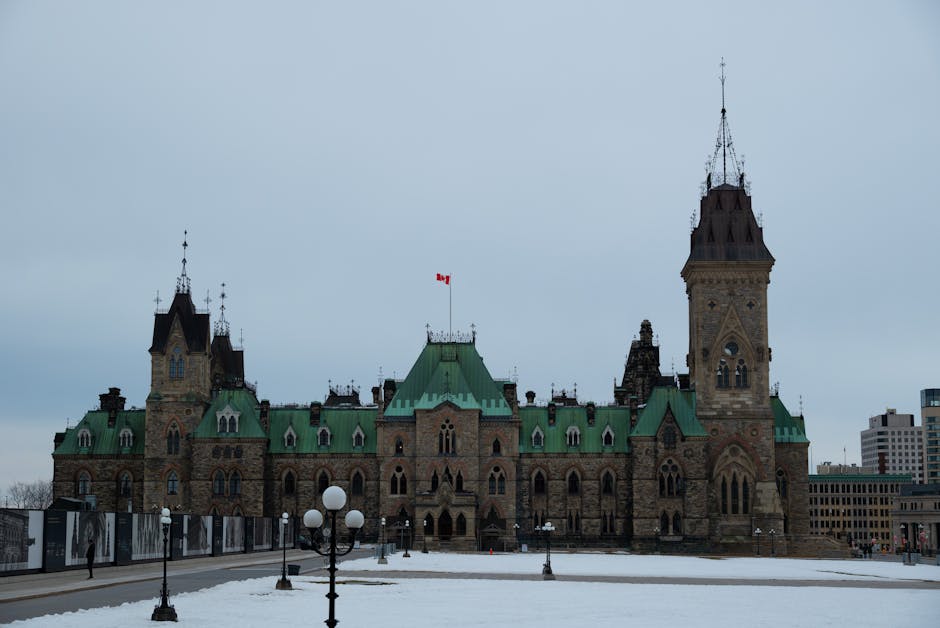
Carney Makes His First Mark on the Senate
Prime Minister Mark Carney has made his first appointments to the Senate, and the picks are turning heads in Ottawa political circles. Among the new senators is one of Carney's most senior advisers, alongside a sitting Conservative Member of Parliament, a notable departure from the approach taken by his predecessor.
A Return to Partisan Voices
For nearly a decade, the Senate has leaned heavily independent. Justin Trudeau's government moved away from partisan appointments, instead relying on an independent advisory board to recommend non-affiliated senators. That shift was meant to reduce partisanship in the upper chamber and distance the Senate from party politics.
Carney's decision to appoint a Conservative MP alongside his own adviser suggests he's willing to restore at least some partisan balance to the institution. It's a signal that the new prime minister may see value in having recognizable political voices, from more than one party, sitting in the Red Chamber.
Who's Joining the Senate
The appointments include Tom Pitfield, a longtime strategist and one of Carney's most trusted advisers, known for his deep ties to Liberal political operations. The addition of a Conservative MP rounds out the announcement, giving the appointments a distinctly bipartisan flavour rather than a purely Liberal one.
While full details on all appointees continue to emerge, the pairing of a top Carney insider with an opposition MP is being read as a deliberate signal about how the prime minister intends to approach Senate appointments going forward, balancing loyalty with an attempt at cross-party credibility.
Why the Senate Matters
The Senate plays a crucial role in reviewing and amending legislation before it becomes law, and its composition affects how smoothly government bills move through Parliament. An upper chamber stacked with independents can slow or reshape legislation in unpredictable ways; senators with clearer party allegiances can make that process more predictable, for better or worse.
Critics of the independent-senator model have long argued it created an unaccountable body with no clear responsibility to voters or parties. Carney's early moves suggest he may be looking to strike a middle ground, mixing independents with some appointees who carry recognizable political stripes.
What Comes Next
More appointments are expected as Carney continues to fill vacancies in the Senate, and how he balances party affiliation against independence will be closely watched by political observers across the country. For now, this first round offers an early clue about the kind of upper chamber the new prime minister wants to build.
Source: CBC News

