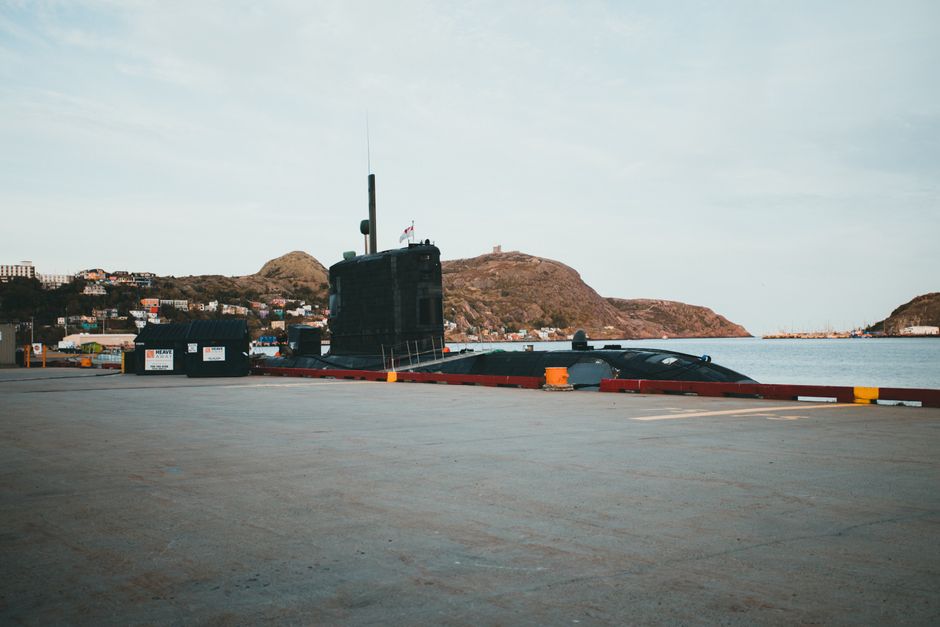
A Submarine Deal With NATO Optics
Prime Minister Mark Carney is pitching Canada's latest submarine procurement decision as more than just a fleet upgrade. He's framing it as proof that Canada is stepping up on its NATO defence spending commitments. For years, Canada has faced pressure from allies to hit the alliance's spending benchmarks, and a major submarine buy is exactly the kind of big-ticket investment that helps move the needle.
The submarine program has been closely watched because it wasn't just a two-horse race on paper, multiple shipbuilding nations were vying for the contract, each backed by their own government's diplomatic push. According to CBC News, the decision has now put Canada in the position of managing the fallout with the bidders who didn't come out on top, particularly South Korea.
Smoothing Things Over With Seoul
South Korea had reportedly hoped to land the submarine contract, and losing out is a disappointment for a country that's been building up its defence export ambitions in recent years. Ottawa now appears to be in damage-control mode, working to reassure South Korean officials that the decision doesn't signal a cooling of the broader Canada–South Korea relationship, which spans trade, technology, and security cooperation.
That kind of diplomatic balancing act isn't unusual in major defence procurements, losing bidders are often still important trading partners and allies, and governments tend to move quickly to keep those relationships intact even after a contract goes elsewhere.
Why This Matters Beyond the Deal Itself
Defence procurement decisions like this one carry weight well past the shipyards. They're wrapped up in Canada's credibility with NATO allies, its trade relationships with countries like South Korea, and domestic debates about how much of the federal budget should go toward the military. With Carney positioning this as a NATO-spending win, expect the government to lean on this deal as evidence of Canada meeting its international obligations, a talking point that's likely to come up again as alliance members continue to press member countries on defence budgets.
The decision also comes at a time when submarine and naval capacity has become a bigger part of the conversation around Arctic sovereignty and Canada's ability to monitor its coastlines, adding another layer to why this procurement has drawn more national attention than a typical military equipment purchase.
What's Next
As details of the submarine agreement continue to emerge, watch for reaction out of Seoul and whether Canada offers any olive branches, trade talks, other procurement opportunities, or diplomatic gestures, to keep the relationship on solid footing. Ottawa watchers in particular will be tracking whether federal spending tied to this deal shows up in future budget announcements.
Source: CBC News

