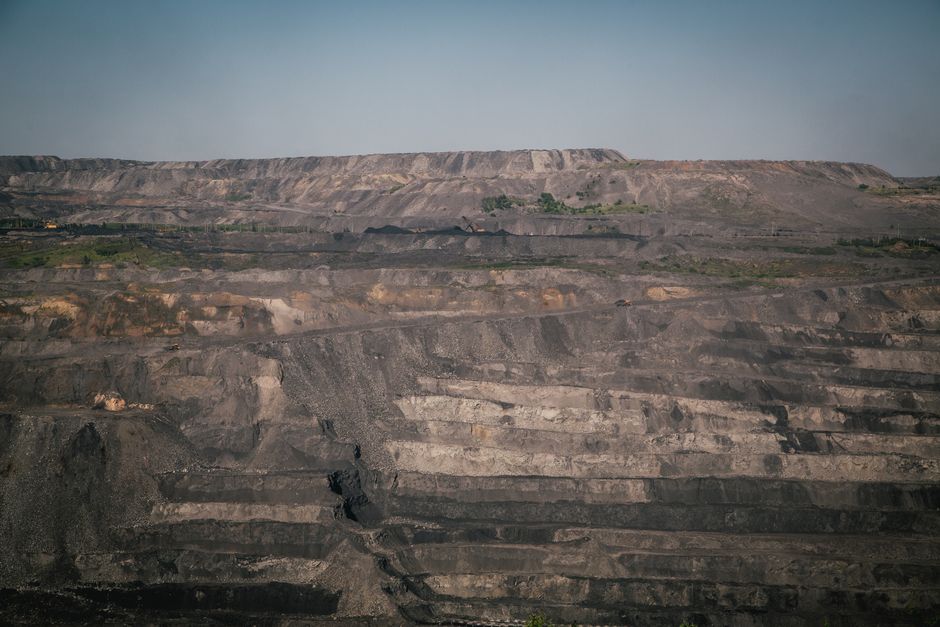
Explosion Rocks Shanxi Coal Mine
Rescuers were working frantically this weekend to find survivors after a deadly gas explosion ripped through the Liushenyu coal mine in Shanxi province, China, on Friday evening. Chinese President Xi Jinping swiftly called for a thorough investigation and full accountability of those responsible for the blast.
The disaster struck one of China's most coal-rich regions. Shanxi province, located in northern China, has long been central to the country's energy supply, and has a troubled history of mining accidents linked to inadequate safety enforcement.
A Familiar Tragedy in the World's Largest Coal Producer
China accounts for roughly half of global coal production, and with that scale comes an outsized toll on mineworkers. Despite decades of government-led safety campaigns and stricter regulations, gas explosions, triggered by the build-up of methane in underground tunnels, remain a persistent danger in Chinese mines.
Friday's blast is a grim reminder of the human cost behind global energy supply chains. The full extent of casualties had not been confirmed at time of writing, as rescuers continued their search.
President Xi's direct intervention signals the political sensitivity of the disaster. Beijing has repeatedly pledged to reduce mine deaths, but enforcement in rural provinces can be inconsistent, and economic pressure on state-linked energy companies often creates dangerous shortcuts.
The Global Mining Safety Context
For Canadians, major mine disasters abroad tend to resurface painful memories of domestic tragedies, from the 1992 Westray mine explosion in Nova Scotia that killed 26 miners, to ongoing debates about safety standards in Canada's own resource sector.
Canada has significantly strengthened mine safety regulations since Westray, with provinces like Ontario and British Columbia investing heavily in inspection regimes and worker protections. Mining remains a backbone of the Canadian economy, employing over 400,000 people directly, and safety culture has become a defining issue for the industry.
The International Labour Organization has long flagged coal mining as among the world's most dangerous occupations, with China historically recording the highest absolute number of mining fatalities annually.
What Comes Next
Chinese authorities have launched a rescue and investigation operation at the Liushenyu site. Xi Jinping's public demand for accountability suggests officials could face disciplinary action if negligence is found, a pattern that has followed previous high-profile mining disasters in China.
Families of trapped miners waited anxiously near the site as rescue teams navigated underground conditions complicated by aftershocks of the initial blast and the risk of secondary gas ignitions.
The disaster is likely to renew calls inside China for faster reform of the coal sector, including stricter enforcement of ventilation and gas-monitoring requirements at older mines.
For the rest of the world, it's a sobering reminder that the global demand for coal, still a dominant energy source despite climate commitments, continues to be paid for, in part, with workers' lives.
Source: CBC News / CBC Top Stories RSS feed