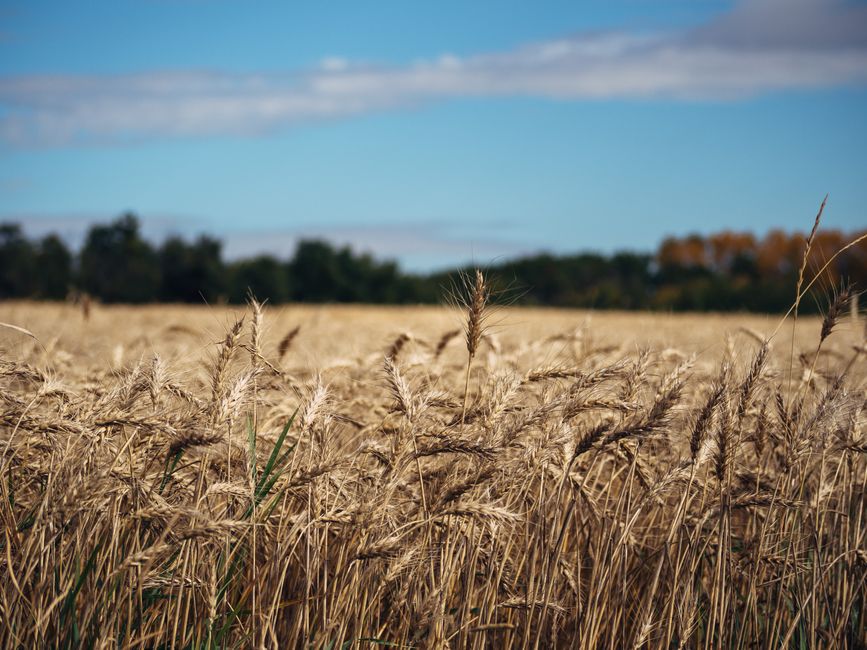
Iran War's Reach Hits Canadian Farm Fields
It's not just oil feeling the squeeze from the Iran war. Fertilizer prices are also spiking due to global supply disruptions, and Canadian farmers, who depend on imported fertilizer for spring planting, are watching the situation with growing anxiety.
Analysts warn that if the supply disruption continues, Canadians could see higher food prices at the grocery store later this spring. The chain reaction runs from global conflict to shipping disruption to farm input costs to the grocery bill, and every link in that chain is tightening.
Why Fertilizer Is So Vulnerable
Fertilizer supply chains are heavily globalized. Many of the key ingredients, including potash, nitrogen compounds, and phosphates, are sourced internationally and pass through shipping routes that are now under pressure. The Strait of Hormuz disruptions tied to the Iran war have complicated the movement of goods through a region that is central to global commodity trade.
When shipping is disrupted or costs rise sharply, those expenses flow downstream to the people who buy the goods, in this case, Canadian farmers ordering inputs for a planting season that can't be delayed.
Spring Planting Season Looming
The timing couldn't be worse. Spring planting is one of the most input-intensive periods of the agricultural year. Farmers need fertilizer now, or soon, to prepare their fields. If prices remain elevated or supply is constrained, some may cut back on application rates, which can in turn affect crop yields and downstream food supply.
For Canadian grain, canola, and vegetable growers, the math is getting harder. Input costs are rising while market prices remain uncertain.
What It Could Mean at the Grocery Store
Analysts are cautioning that the fertilizer crunch, combined with energy price increases, could push food prices higher as the year progresses. For Canadians already stretched by the cost of living, that's an unwelcome forecast.
The connection between global geopolitics and the local grocery bill has rarely felt more immediate.
Source: CBC News