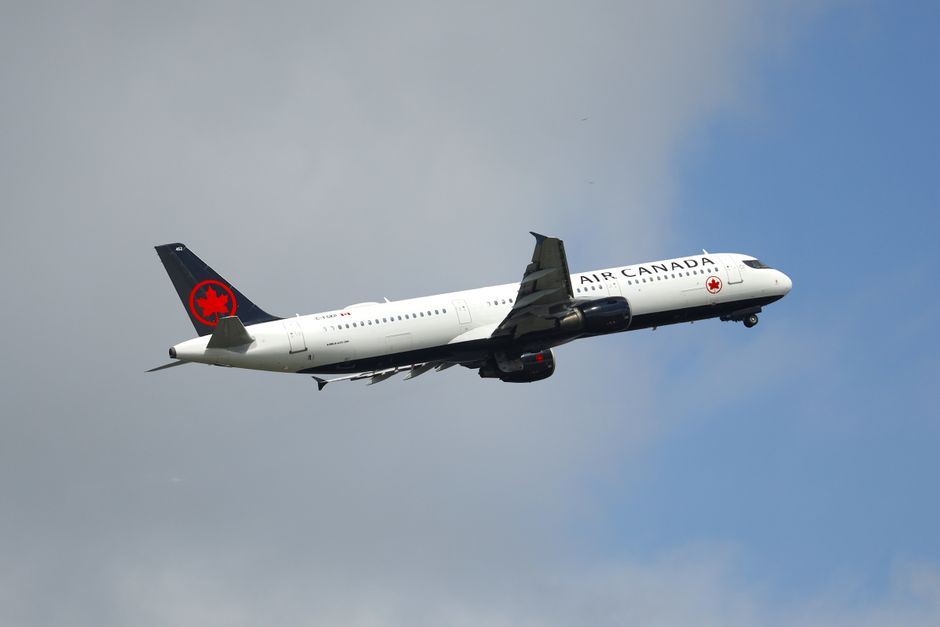
Cancellations Piling Up for Canadian Passengers
Canadian air travellers are running into a frustrating new reality at airports across the country: flights being cancelled not because of weather or mechanical issues, but because of a jet fuel shortage that's rippling outward from one of the world's most critical shipping chokepoints, the Strait of Hormuz.
The Strait of Hormuz, a narrow waterway between Iran and Oman, is the passage point for a significant share of the world's oil and petroleum exports. Disruptions there don't stay local for long. When fuel supply chains seize up, the effects reach Canadian tarmac faster than most travellers might expect.
Why Jet Fuel Is So Hard to Replace Quickly
Unlike consumer gasoline, jet fuel, known as Jet-A or aviation turbine fuel, has strict quality and specification requirements. Airlines can't simply substitute another fuel type, and refineries can't pivot overnight to dramatically increase production. When a major supply corridor like the Strait of Hormuz faces disruption, the global jet fuel market tightens quickly, and carriers are forced to make hard choices about which routes to protect and which to ground.
For Canadian airlines already managing tight margins and high operating costs, a fuel shortage is a serious operational pressure. Airlines prioritize their busiest and most profitable routes first, meaning passengers on thinner regional or leisure routes are often the first to see cancellations or consolidations.
What Travellers Should Know
If you have flights booked in the coming weeks, it's worth checking your airline's app or website regularly for schedule updates. Most major carriers are required to notify passengers of significant changes, but the speed of rebooking options can vary widely depending on how full flights are and how far in advance a cancellation is issued.
Travel insurance that covers trip disruption, particularly policies that include airline-caused cancellations, may offer some protection, though coverage specifics differ. If you're flying for something time-sensitive, it's worth calling your insurer now rather than after a cancellation hits.
Passengers whose flights are cancelled are generally entitled to rebooking on the next available flight at no extra charge, and in some cases to refunds, meal vouchers, or hotel accommodation depending on the length of the delay and the circumstances. Canada's Air Passenger Protection Regulations set out minimum standards, though fuel-shortage cancellations may fall into the "outside airline control" category, which carries fewer mandatory passenger protections.
The Bigger Picture
The situation is a reminder of how tightly connected Canada's domestic travel infrastructure is to global energy markets. While Canada produces significant oil domestically, the refined jet fuel that keeps planes aloft is part of an integrated international supply chain, one that can be shaken by geopolitical events thousands of kilometres away.
For now, travellers are advised to stay flexible, keep an eye on their itineraries, and have a backup plan if possible. The flight disruptions may ease if the Strait of Hormuz situation stabilizes, but for now, the stacking cancellations are a real and growing headache for Canadians taking to the skies.
Source: CBC News Top Stories

