Canada may be on the verge of its hottest stretch of weather ever recorded, with new climate forecasts warning that 2026 could mark the beginning of an unprecedented multi-year heat trend. The news is raising alarm among climate scientists and anyone paying attention to how quickly Canada's environment is changing.
The Forecast
New projections suggest that 2026 alone could rank as Canada's hottest year on record. Even more concerning, the five-year window from 2026 to 2030 is forecast to potentially become the hottest consecutive period Canada has ever experienced. These aren't worst-case fringe predictions. They're coming from climate researchers tracking global warming trends that are accelerating faster than many earlier models anticipated.
What Rising Temperatures Mean on the Ground
The impacts of this warming trend are already being felt across the country, and they're expected to intensify:
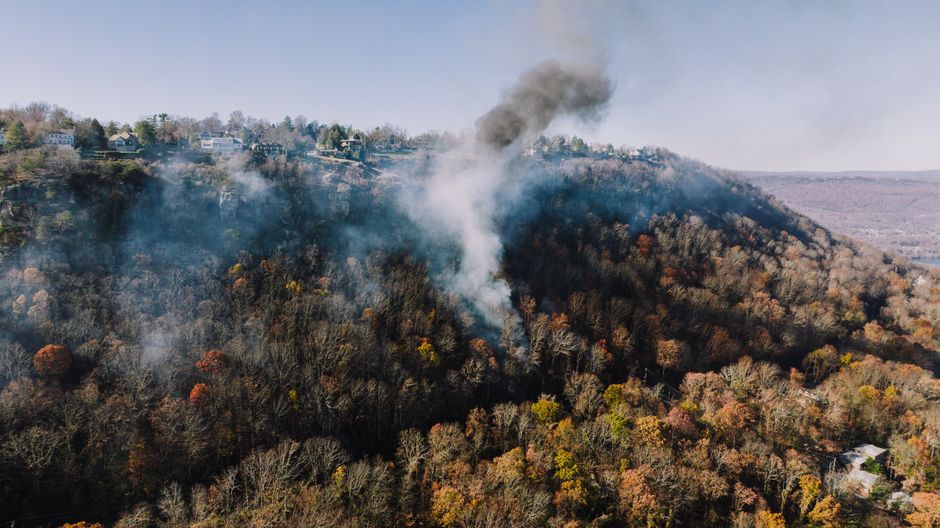
Wildfires: Higher temperatures and drier conditions are directly fueling larger, more frequent wildfires. Canada has seen devastating wildfire seasons in recent years, and forecasters expect that trend to continue, and worsen, as temperatures climb.
Heatwaves: Extreme heat events are becoming more common and more severe. For vulnerable populations, the elderly, young children, and those without access to air conditioning, prolonged heat can be genuinely life-threatening.
Air quality: Wildfire smoke and increased heat-driven smog are degrading air quality across many Canadian regions. This has real health consequences, particularly for people with respiratory conditions like asthma.
A Canadian Problem With Local Implications
While climate change is a global phenomenon, its effects are playing out in very specific ways across Canada's diverse geography. Northern communities are experiencing permafrost thaw and disruption to traditional ways of life. Prairie regions face heightened drought risk. Coastal areas are contending with rising sea levels. And virtually every Canadian city is grappling with urban heat island effects that make hot summers feel even hotter.
For Ottawa and other Canadian cities, the coming years are likely to bring more extreme weather events, not fewer. City planners, public health officials, and emergency services are all working to adapt to a new climate reality.
The Bigger Picture
Canada is warming at roughly twice the global average rate, a sobering statistic that underscores why these projections matter so much. The 2026–2030 period may represent a turning point that future generations look back on as the moment Canada's climate shifted into a new, more volatile phase.
The forecasts aren't just numbers on a chart. They're a signal that the time to take action, both individually and collectively, is now.
Source: @shottawa.tv on Instagram