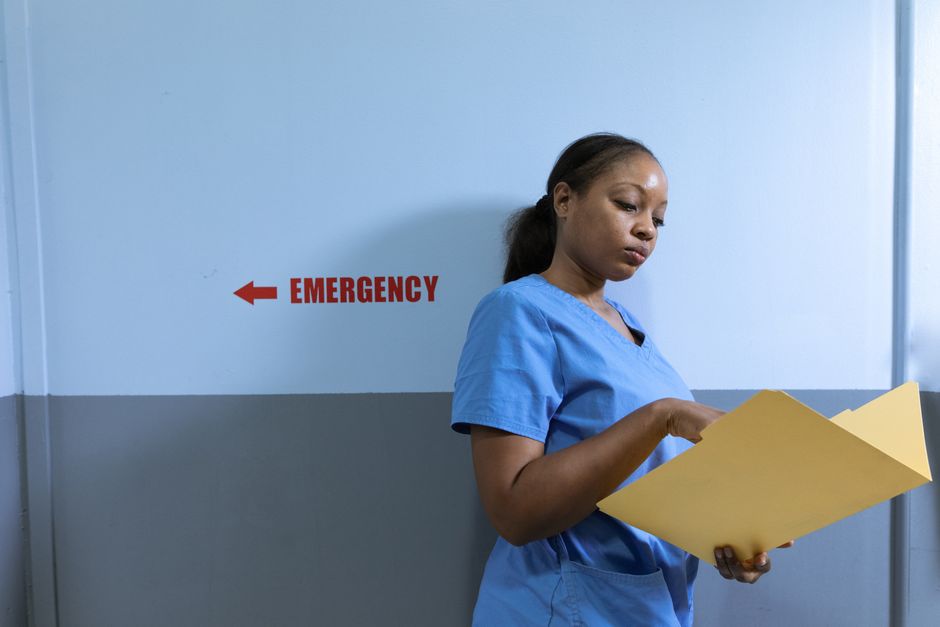
A Nurse Fighting to Stay in Canada
A registered nurse working in Winnipeg is speaking out after his application for permanent residency was rejected, not because of his qualifications or his work record, but because of a technicality in Canada's immigration rules.
The nurse, who came to Canada from Russia, had been working in the health-care system and believed he was on a path to permanent residency. Instead, he found himself caught in a bureaucratic gap that advocates say is all too common for internationally trained health professionals trying to build a life in this country.
Immigration Rules at Odds With Health-Care Needs
Canada is facing a well-documented shortage of health-care workers. Provinces from British Columbia to Newfoundland have been aggressively recruiting internationally trained nurses, doctors, and personal support workers to fill gaps in hospitals, long-term care homes, and community clinics.
But critics say the immigration system hasn't kept pace with those recruitment efforts. Health-care workers are often brought in on temporary work permits, only to discover that the pathway to permanent residency is riddled with eligibility requirements that can be difficult or impossible to meet, even after years of contributing to the Canadian health-care system.
In this nurse's case, his application was rejected on a technicality, despite his demonstrated ability to work in the Canadian health-care environment and the obvious need for his skills.
A Systemic Problem, Not an Isolated Case
Advocates for internationally trained health professionals say this kind of situation is far from unusual. Immigration lawyers and nursing associations have repeatedly flagged the disconnect between provincial health workforce strategies and federal immigration policy.
The federal government controls who can become a permanent resident, while provinces manage health-care hiring. That split jurisdiction can leave workers in limbo, recruited by a province, employed in a hospital, but unable to secure the long-term immigration status that would let them put down roots.
For workers like the Winnipeg nurse, the uncertainty is deeply personal. Many have uprooted their lives, learned new systems, upgraded their credentials, and invested years into their careers in Canada, only to face rejection at the final hurdle.
What Needs to Change
Health-care advocates are calling on the federal government to create more flexible, occupation-specific immigration pathways for nurses and other health workers, particularly those already working in the system on temporary permits.
Some provinces, including Ontario and British Columbia, have pushed for faster processing and expanded streams under programs like the Provincial Nominee Program. But without systemic federal reform, health advocates warn that Canada will keep losing skilled workers to countries with more streamlined immigration pathways.
For Ottawa-area hospitals and long-term care facilities, which have also struggled with staffing shortages, the issue hits close to home. The Ottawa Hospital and Bruyère have both relied on internationally trained staff in recent years, and local nurses' unions have echoed calls for better immigration supports for foreign-trained colleagues.
The Bigger Picture
Canada's ability to deliver quality health care depends on its ability to retain the workers it recruits. When immigration rules work against that goal, patients ultimately pay the price, through longer wait times, strained staff, and reduced access to care.
The Winnipeg nurse's case is a reminder that fixing Canada's health-care crisis isn't just about funding hospitals or training more nurses domestically. It also means building an immigration system that treats health-care workers as the essential contributors they are.
Source: CBC News Manitoba. Original reporting by CBC Health.

