Canada's Gas Prices Feel the Ripple of a Distant Conflict
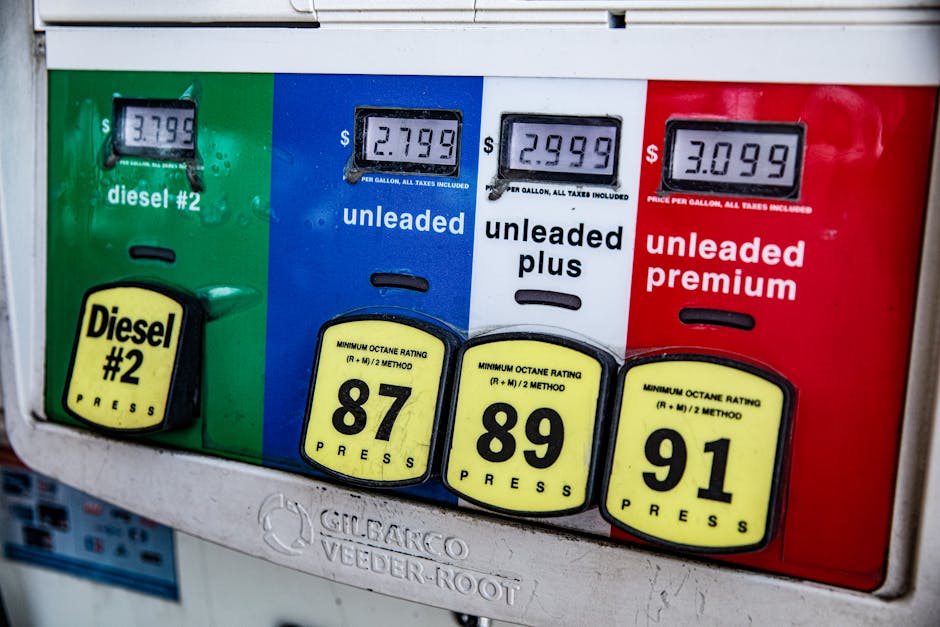
Canada may be thousands of kilometres from the Middle East, but when Iran blocked the Strait of Hormuz, Canadians felt it almost immediately at the pump. Gas prices have been surging across the country, and many people are wondering: why does a shipping route in the Persian Gulf have anything to do with filling up in Ottawa, Calgary, or Halifax?
The answer is that oil is a globally traded commodity, and the Strait of Hormuz is one of the most critical chokepoints for that trade.
What Is the Strait of Hormuz?
The Strait of Hormuz is a narrow waterway between Iran and Oman that connects the Persian Gulf to the open ocean. It is one of the world's most important shipping lanes, with roughly 20 percent of global oil passing through it daily. When that route is blocked or disrupted, the ripple effects are felt in energy markets worldwide.
Iran's decision to block the strait is a direct response to the ongoing US-Israeli military campaign against the country. By threatening or restricting oil shipments through this corridor, Iran can exert significant economic pressure far beyond its borders.
Why Does This Hit Canada?
Canada is a major oil producer in its own right, but the country is deeply integrated into global energy markets. The price of gasoline at Canadian pumps is tied to the global benchmark price of crude oil. When global supply tightens, as it does when a key shipping route is disrupted, crude prices rise, and that increase gets passed on to consumers.
Beyond crude prices, Canada also imports refined petroleum products, particularly in Eastern Canada, where refineries depend on imported oil. Disruptions to global supply chains make those imports more expensive and less reliable.
How Much Are Prices Rising?
The surge has been noticeable. As CBC's Andrew Chang explains, the blockage of the Strait of Hormuz is one of the primary drivers behind the current spike in Canadian fuel costs. With no quick resolution to the Iran conflict in sight, analysts expect prices to remain elevated for the foreseeable future.
What Can Canadians Do?
Unfortunately, individual Canadians have limited tools to insulate themselves from global oil price swings. The most practical steps are familiar ones: consolidate trips, consider fuel-efficient driving habits, and use apps that track local gas prices to find the best deal nearby.
The broader picture, though, is a reminder of just how interconnected Canada's economy is to global events, even conflicts that feel geographically remote.
Source: CBC News