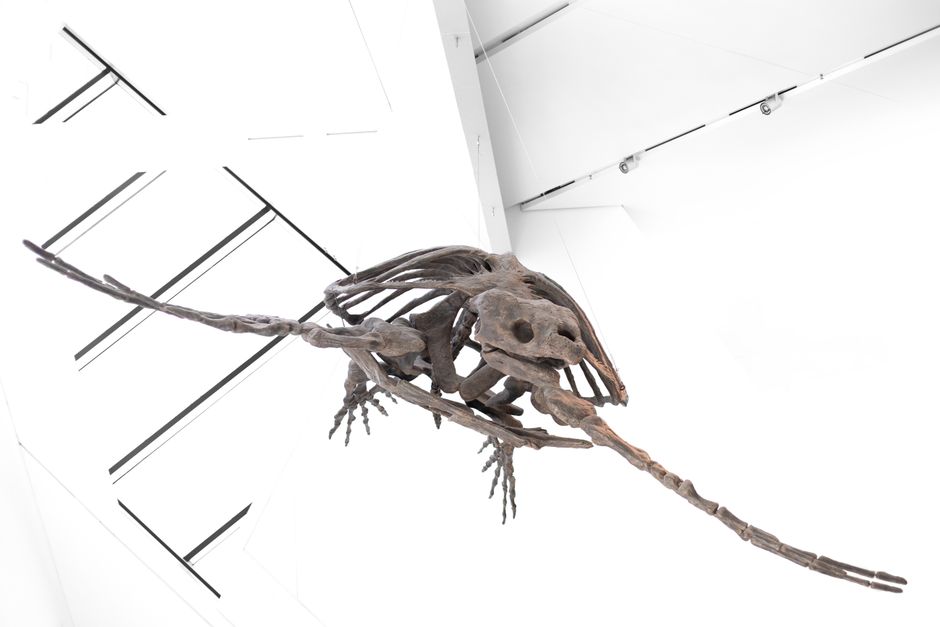
Joggins Fossil Institute Threatened by Nova Scotia Funding Cuts
The curator of the Joggins Fossil Institute in Nova Scotia is speaking out against provincial funding cuts that threaten to severely curtail operations at one of Canada's most important paleontological sites, a UNESCO World Heritage Site recognized internationally for its extraordinary Carboniferous-era fossil record.
A 20% cut to provincial funding will 'devastate operations,' the curator warns, forcing the cancellation of educational programs that bring hundreds of students to the site each year.
What Is the Joggins Fossil Cliffs?
The Joggins Fossil Cliffs along the Bay of Fundy coast of Nova Scotia are often called the 'Coal Age Galapagos', a site where the continuous erosion of sea cliffs constantly exposes new fossils from the Carboniferous period, roughly 310 million years ago.
The site is notable for containing fossilized standing trees, amphibian fossils that represent some of the earliest land-dwelling vertebrates, and insects from before dinosaurs walked the Earth. It was designated a UNESCO World Heritage Site in 2008 in recognition of its unique scientific significance.
What's at Stake
The Joggins Fossil Institute runs a museum, educational programs, and guided cliff walks that serve both tourists and school groups from across Atlantic Canada. The educational programs, bringing hundreds of students annually into direct contact with scientific fieldwork, are among the most tangible impacts the site has on future generations.
A 20% funding cut doesn't just trim margins. It threatens the viability of these programs and potentially the Institute's ability to maintain the professional scientific staff needed to steward a UNESCO site responsibly.
The Broader Pattern
Nova Scotia's cuts to the Joggins Institute fit into a broader pattern of provincial austerity measures affecting cultural and scientific institutions across Canada. 'It guts us,' the curator said, and the bluntness of that assessment reflects the very real threat to an institution that has been underfunded for years before this latest cut.
Source: CBC News