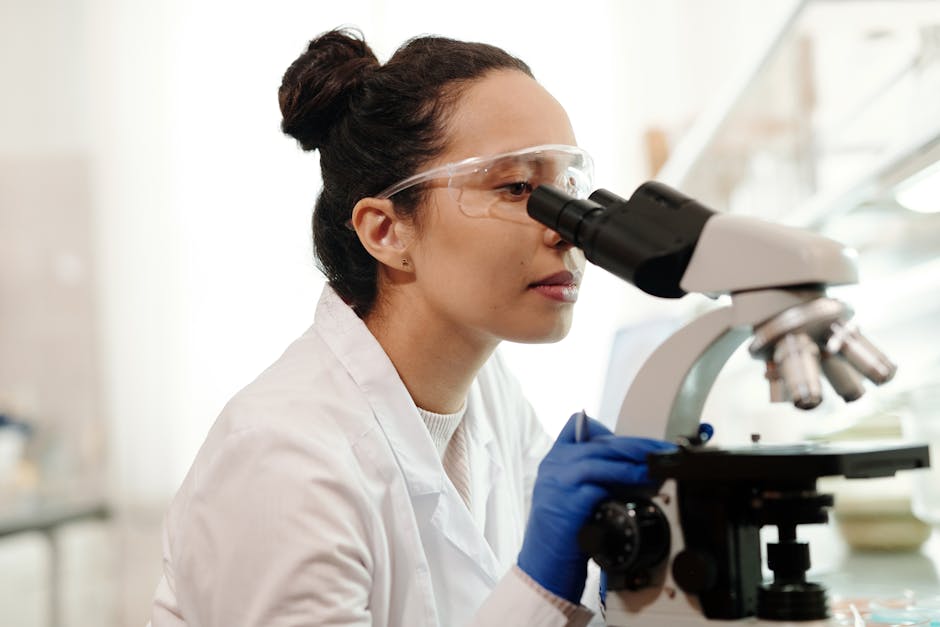
A New Way to Watch for Cancer's Return
A team of researchers based in Toronto is kicking off a large, multi-year study into liquid biopsies, a blood test technology designed to detect tiny fragments of tumour DNA circulating in the bloodstream long after a patient's initial cancer treatment has ended.
The idea is simple but powerful: instead of relying solely on scans and physical exams to catch a cancer recurrence, doctors could one day use a routine blood draw to spot warning signs months before they'd otherwise show up. For patients who've already been through surgery, chemotherapy, or radiation, that kind of early detection could be life-changing.
Why This Matters for Cancer Survivors
Right now, many cancer survivors face years of uncertainty after treatment ends. Follow-up care often involves repeated imaging and invasive procedures just to check whether the disease has come back, tests that are costly for the health care system and can be physically and emotionally taxing for patients.
Liquid biopsies could change that equation. By identifying traces of tumour DNA in the blood, researchers hope to flag recurrence risk with a simple test, potentially reducing how often survivors need more invasive follow-up procedures. It could also help doctors identify which patients are genuinely cancer-free and could safely be spared additional treatment altogether, sparing them side effects and costs for therapy they don't actually need.
A Years-Long Effort
This isn't a quick trial. The research project is described as a massive, years-long undertaking, reflecting just how much data scientists need to gather before liquid biopsies could become a standard part of cancer care across Canada. Tracking tumour DNA at such minute levels requires refining detection methods, validating results across large groups of patients, and understanding how findings translate into real treatment decisions.
If successful, the technology could eventually reshape how cancer care teams across the country, from major Toronto hospitals to community clinics, monitor survivors long after their initial diagnosis.
What Comes Next
For now, the project is in its early stages, but its ambitions are significant: better protecting survivors from recurrence, cutting down unnecessary invasive treatment, and giving both patients and doctors more confidence in how a case is tracked after the initial fight against cancer is over.
Canadians watching the world of cancer research will want to keep an eye on this one. It's exactly the kind of quietly transformative science that could change follow-up care for thousands of survivors nationwide in the years ahead.
Source: CBC News

