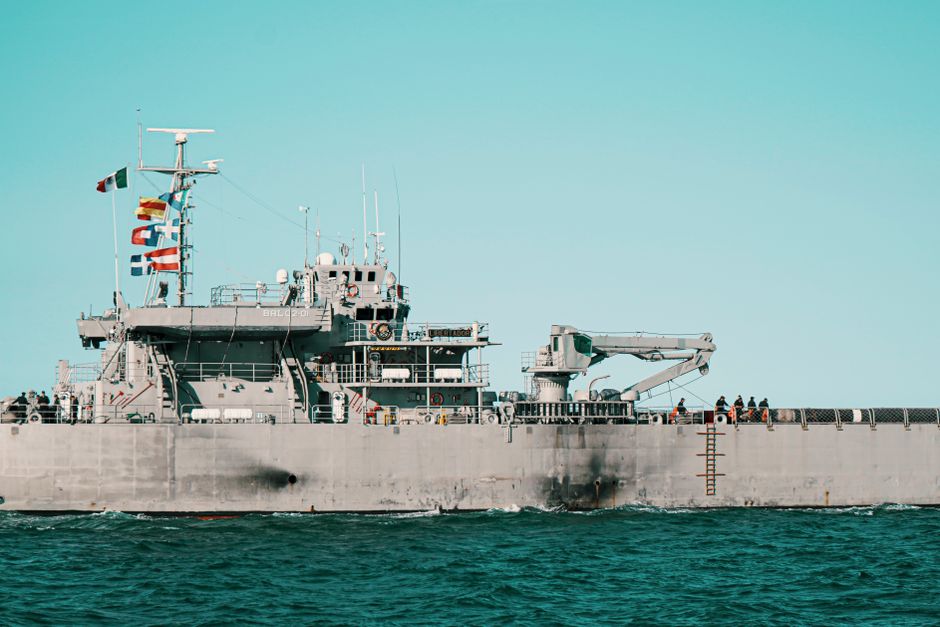
Canada Weighs In on Strait of Hormuz Crisis
Canada could play a role in addressing the ongoing shipping crisis in the Strait of Hormuz, Defence Minister David McGuinty said, describing the door as "open" to Canadian military involvement, though he was clear about the limits of that role.
Canada has "no intention of getting involved offensively in the prosecution of the war in the region," McGuinty said, drawing a firm line between potential peacekeeping or escort duties and active combat.
Why the Strait of Hormuz Matters
The Strait of Hormuz is one of the world's most strategically critical waterways. A significant share of global oil passes through this narrow channel between Iran and Oman, making any disruption there felt immediately in energy markets around the world.
The ongoing Iran war has created serious uncertainty around safe passage through the strait, with commercial shipping facing elevated risk. Several countries have already deployed naval assets to the region to protect vessels and ensure freedom of navigation.
Canada's Possible Role
While McGuinty stopped well short of committing to a specific mission, the language of an "open door" suggests Canada is at least in active discussions, likely with NATO allies and other partners, about what contribution might be appropriate.
Canada has a history of participating in multinational naval operations without taking on a direct combat role. Escort missions, intelligence sharing, and logistical support are all potential contributions that would fit within the parameters McGuinty described.
The Domestic Stakes
For Canadians, the Strait of Hormuz crisis is not just a foreign policy issue. The disruptions are already driving up oil and gas prices domestically, contributing to the cost-of-living pressures many households are feeling at the pump and in the grocery store.
A Canadian role in stabilizing the situation could, if successful, help ease those pressures over time, though any military deployment carries its own risks and costs.
Source: National Post