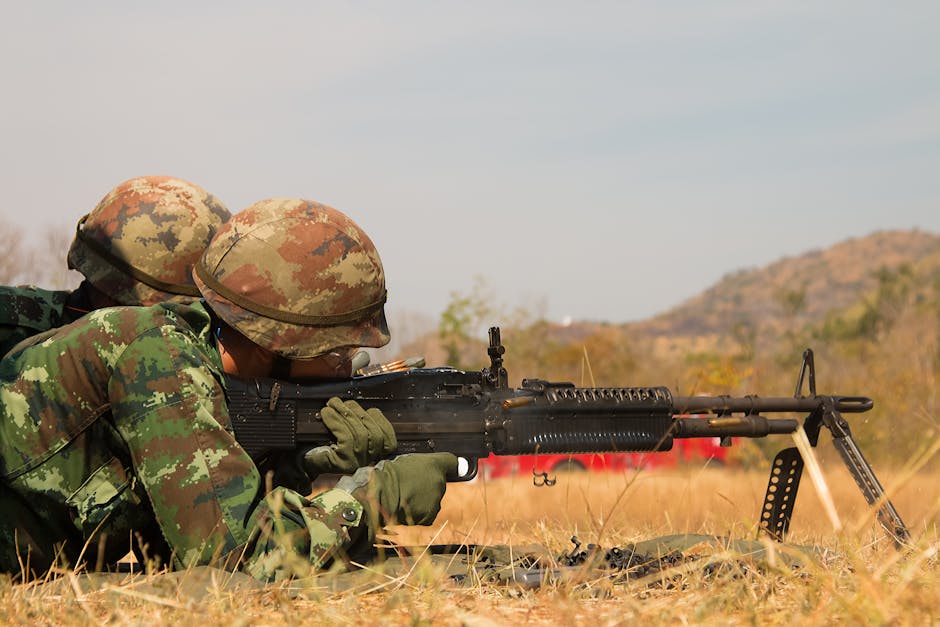
Canadian Troops Exit Iraq as Regional Crisis Escalates
Canadian Armed Forces members and civilian personnel have been withdrawn from Iraq as part of a broader NATO pullout, prompted by retaliatory attacks from Iran targeting Gulf countries amid the ongoing U.S.-Israeli conflict with Iran.
The withdrawal affects Canadian military and civilian staff who were embedded with the NATO Mission Iraq (NMI), an advisory and capacity-building operation that Canada has contributed to for years. NATO made the decision to evacuate personnel as Iranian strikes created an increasingly volatile security environment across the region.
What Is the NATO Mission in Iraq?
The NATO Mission Iraq was established in 2018 at the request of the Iraqi government to help professionalize the country's security forces and military institutions. Canada has been a consistent contributor to the mission, providing trainers, advisors, and support personnel alongside allies from across the alliance.
The mission has operated separately from combat operations, focusing instead on long-term capacity building, helping Iraqi forces develop logistics, command structures, and planning capabilities. For Canadian Forces members, it represented an important operational posting in a complex and strategically significant region.
Why the Withdrawal Now?
The decision to pull NATO personnel came as Iran launched retaliatory strikes against Gulf states following the escalating U.S.-Israeli military campaign. Iraq, which shares a long and complicated border with Iran and hosts both U.S. and NATO forces, became a flashpoint in the regional fallout.
With Iraqi territory increasingly caught in the crossfire of a broader regional conflict, NATO commanders moved to protect personnel from potential attack. The safety of allied troops, including Canadians, clearly outweighed the ability to continue the advisory mission under current conditions.
Canada's Role in the Broader Picture
Canada has historically walked a careful line in Middle East military engagements, contributing to multilateral missions with clear mandates while avoiding open-ended combat deployments. The NATO Mission Iraq fit squarely within that framework, advisory rather than frontline, institution-building rather than combat.
The withdrawal doesn't necessarily signal a permanent end to Canada's involvement. If and when conditions stabilize, Canadian officials may assess whether personnel can return to continue the mission's work.
For now, the priority is the safety of Canadian Armed Forces members and civilians who were serving in-country, and NATO has acted decisively to ensure that.
What Comes Next?
The broader regional conflict between the U.S., Israel, and Iran continues to evolve rapidly, and its implications for Canadian foreign and defence policy remain to be seen. Parliament will likely face questions about Canada's posture in the Middle East, the fate of the NATO mission, and whether Ottawa has plans to support diplomatic efforts toward de-escalation.
Defence Minister and senior military officials are expected to provide more details in the coming days about the number of Canadians involved and the current status of the withdrawal.
Source: CBC News Politics. This article is based on reporting by CBC News.

