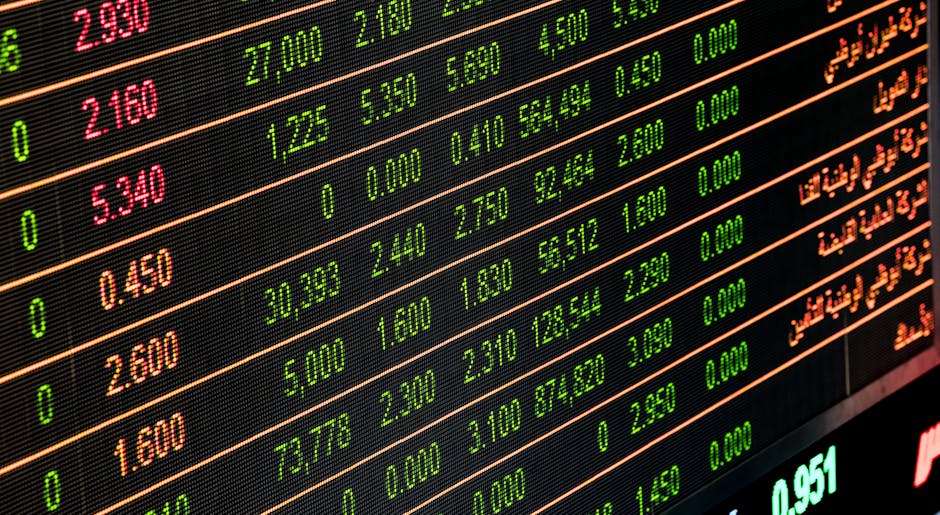
Markets Steady as Oil Prices Keep Climbing
Most U.S. stocks fell modestly on Wednesday as the price of oil started rising again, even as governments signalled they would release strategic petroleum reserves in an effort to cool fuel markets. The release announcements, typically a reliable tool for dampening price spikes, don't appear to be having their usual effect, a sign that the underlying demand and risk premium driven by Middle East tensions is simply too strong.
What's Driving Oil Prices
The current oil price surge is being driven primarily by the risk premium associated with the conflict involving Iran, a major oil producer and a nation whose territory sits adjacent to the Strait of Hormuz, through which roughly a fifth of global oil supply flows.
When traders and markets price in the risk of supply disruption, strategic reserve releases can provide temporary relief. But if the underlying conflict shows no signs of resolution, markets will quickly price that relief out.
Germany in the Picture
German market performance was notable during Wednesday's session, reflecting the particular vulnerability of European economies to energy price spikes given their dependence on imported energy. Germany has been working hard to diversify its energy supply since the Russia-Ukraine conflict accelerated its departure from Russian gas, but it remains exposed to Middle East oil dynamics.
What This Means for Canadian Drivers
For Canada and Ottawa specifically, the oil price movement will translate to higher pump prices within days. The relationship between crude oil markets and Canadian retail fuel prices is tight, every significant move up in crude is followed quickly by gas station price increases.
Given current market dynamics, Canadian drivers should expect continued pressure at the pump in the coming weeks.
Source: CBC News