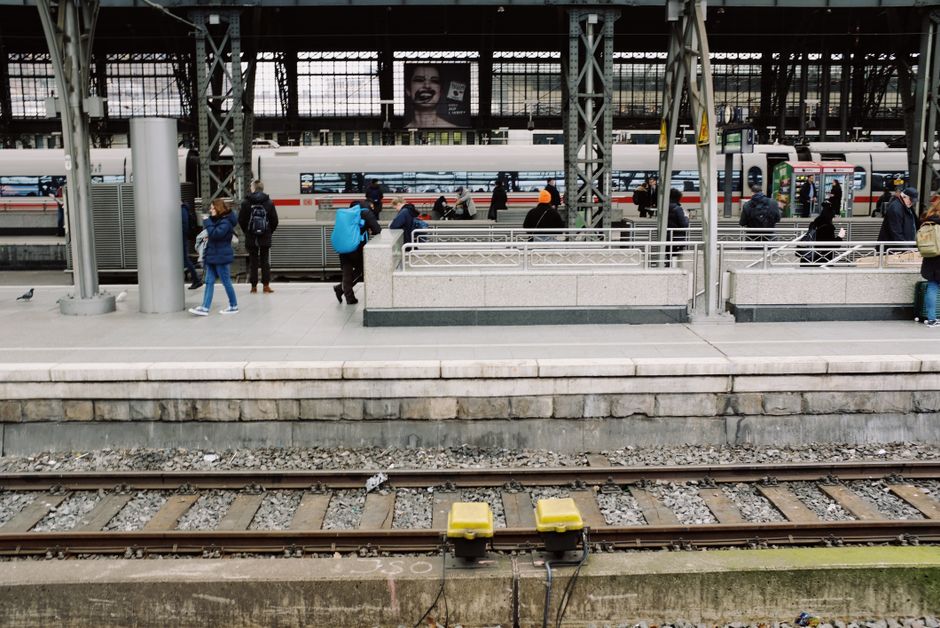
Electric GO Trains Still a Decade Away for Ontario Commuters
Ontario's long-promised transition to electric GO Train service is facing yet another significant delay, with an internal Metrolinx document suggesting the new timeline now stretches to 2036 at the earliest. That's roughly a decade away, and for the millions of commuters who rely on the GO network across the Greater Toronto and Hamilton Area, it's a disappointing development.
What the Documents Say
According to a report citing the internal Metrolinx document, much of the transit agency's broader electric plans are currently described as being "in flux." The proposed 2036 timeline is being floated as a new target, though given the history of delays on this file, even that date is far from guaranteed.
Metrolinx has been working toward electrifying the GO network for years. The electrification program was conceived as a way to increase train frequency, reduce emissions, and provide faster, more reliable service across the network. Electric trains can accelerate and decelerate more quickly than diesel locomotives, which is essential for the kind of frequent, stop-and-go service that makes GO Transit more useful for daily commuters.
A Long History of Delays
The electrification timeline has been pushed back multiple times over the years, the result of shifting government priorities, procurement challenges, and cost pressures. What was once described as a transformative near-term upgrade has gradually receded into the future.
The delay is part of a broader pattern of ambitious transit infrastructure promises in Ontario that have taken far longer to materialize than originally planned. Critics have pointed out that the province's transit riders bear the cost of these delays in the form of continued diesel service, capacity constraints, and missed environmental targets.
What It Means for Commuters
For now, GO Transit will continue operating its diesel fleet for the foreseeable future. The Ontario government has invested heavily in expanding GO service frequency under the GO Expansion program, which has brought more trains to more stations, but those trains are still running on diesel.
The 2036 target also has implications for Ontario's climate commitments. Electrifying a major transit network is one of the most impactful things a province can do to reduce transportation emissions. Every year of delay means more diesel burned and more emissions generated.
Metrolinx has not publicly confirmed the new timeline, and the story continues to develop.
Source: MobileSyrup