Even Protected Reserves Can't Shield Ontario Birds From Climate Change
A new study is sounding the alarm about the far-reaching effects of climate change, and this time, the evidence is coming from one of Ontario's most important bird sanctuaries.
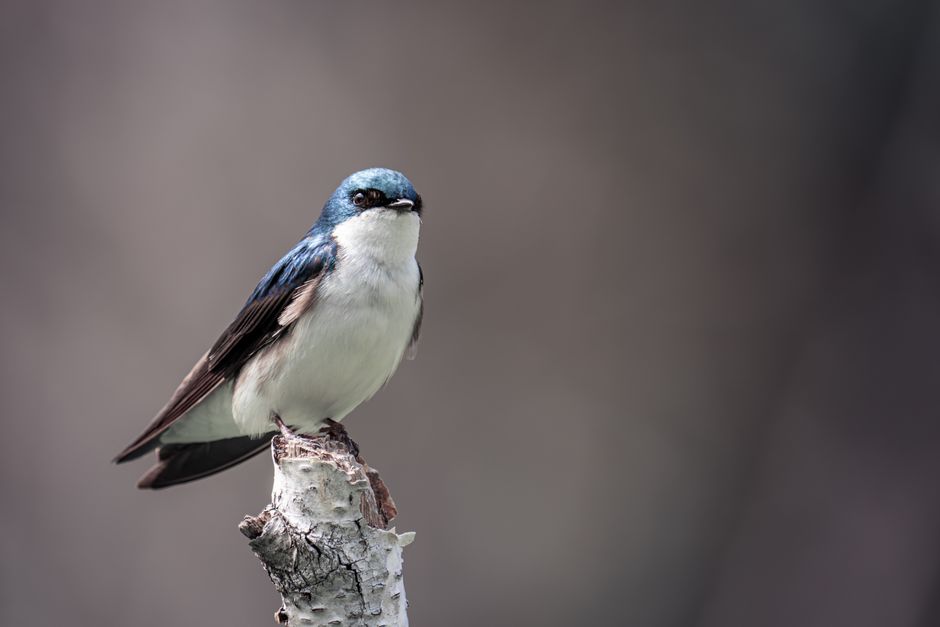
Researchers studying tree swallows at Long Point Bird Observatory, a renowned conservation site on the north shore of Lake Erie in Ontario, have found that the birds are getting smaller and producing fewer eggs. The culprit? A dramatic decline in insects, the birds' primary food source, driven by a warming climate.
The findings were published in a U.S. science journal and add to a growing body of evidence that even species living in protected natural areas are not insulated from the ripple effects of environmental change.
What the Research Found
Tree swallows are aerial insectivores, meaning they survive almost entirely on flying insects caught mid-air. As temperatures rise and weather patterns shift, insect populations across southern Ontario have been declining, and the birds are feeling it.
With less food available during critical breeding periods, female swallows are laying smaller clutches of eggs. On top of that, the birds themselves are physically smaller than they were in previous decades. Scientists believe this shrinkage is an evolutionary response to food scarcity and shifting environmental conditions.
Long Point is one of the longest-running bird observatories in North America, giving researchers decades of data to draw on. That long-term record is what makes this study so striking, the trends are consistent, measurable, and hard to dismiss.
Why This Matters for Ontario
Ontario is home to an extraordinary diversity of bird species, and wetland areas like Long Point are critical stopover and breeding habitats along major migration routes. If even these protected reserves can't buffer birds from climate impacts, it raises serious questions about conservation strategies across the province.
Insect decline is itself a complex, multi-driver problem: pesticide use, habitat loss, light pollution, and rising temperatures all play a role. But the climate signal is increasingly impossible to ignore. Warmer springs can cause insect hatches to peak earlier than usual, leaving nesting birds with a narrowing window of peak food availability.
This "phenological mismatch", when birds and their food sources fall out of sync, is becoming one of the more subtle but serious threats to wildlife in temperate regions like Ontario.
The Bigger Picture
The Long Point findings fit into a broader global pattern. Studies from Europe, North America, and elsewhere have documented what scientists are calling an "insect apocalypse", widespread population declines across many species that underpin entire food webs.
For birdwatchers and naturalists in Ontario, the study is a reminder that protecting land isn't enough on its own. Climate action at every level, reducing emissions, preserving natural corridors, and cutting back on pesticide use, is essential if Ontario's wildlife is going to have a fighting chance.
Long Point Bird Observatory continues to monitor swallow populations and contribute data to international climate research efforts.
Source: CBC Top Stories / CBC News. Original research published in a U.S. science journal via Long Point Bird Observatory, Ontario.

