A Race Against the Clock
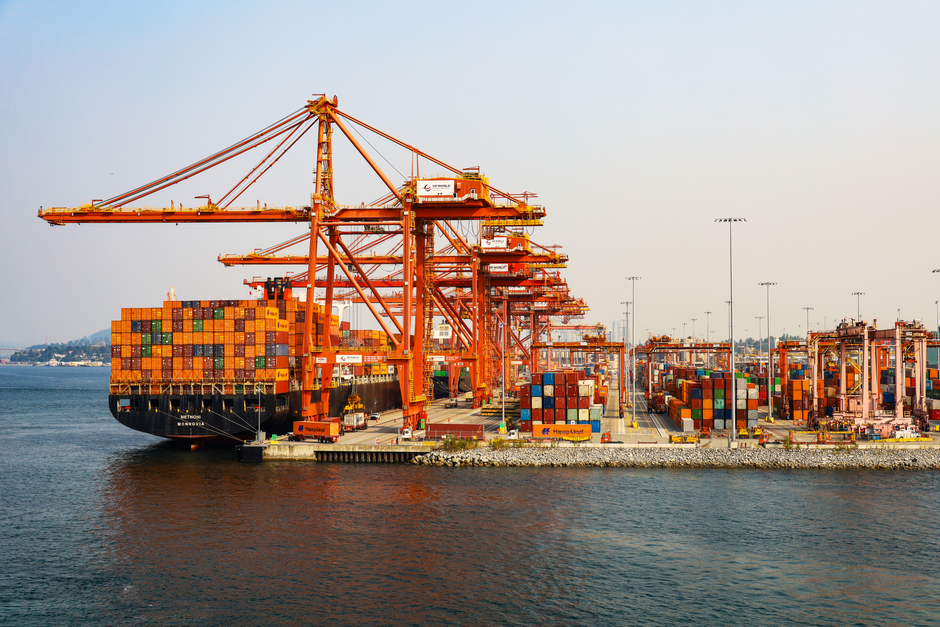
Canadian retailers are in a full-on sprint to get their goods onto container ships before the end of July, when a new wave of tariffs is expected to take effect. The result? A sharp spike in shipping costs that's rippling through supply chains across the country.
Industry watchers say the surge isn't just a blip. As more companies compete for limited cargo space and vessel bookings, freight rates are climbing fast, and that added cost doesn't just disappear. It gets passed down the chain, from importers to retailers to, eventually, the person paying at the checkout counter.
Why Everyone's Rushing at Once
When new tariffs loom, businesses that rely on imported goods have a strong incentive to get as much product into the country as possible before the deadline. The problem is that when hundreds of companies all make that same calculation at the same time, it creates a bottleneck. Ships fill up, container availability shrinks, and shipping lines respond by raising their rates.
Experts in trade and logistics say this kind of pre-tariff rush is a familiar pattern whenever new trade measures are on the horizon. Businesses try to front-load their inventory to avoid the extra costs tariffs would bring, but in doing so, they end up paying more just to move the goods in the first place.
Who Feels It First
Retailers who depend heavily on imported goods, from clothing to electronics to household items, are among those most exposed to the rising shipping costs. Many are trying to absorb some of the hit in the short term to stay competitive, but few businesses can eat higher freight costs indefinitely.
That means the increased cost of doing business is likely to show up on store shelves and online checkouts in the months ahead, even before any new tariffs officially take effect. For everyday Canadians already dealing with elevated grocery and housing costs, another layer of price pressure on everyday goods is unwelcome news.
What Comes Next
With the tariff deadline approaching at the end of July, the shipping crunch is expected to continue in the near term. Once the new tariffs are in place, some analysts expect shipping demand, and costs, to ease somewhat, since the incentive to rush goods across the border will fade. But that doesn't mean prices will necessarily come back down. Once retailers raise prices to cover higher costs, those increases tend to stick around.
For now, Canadian shoppers can expect the ripple effects of this shipping squeeze to show up gradually, as the cost of moving goods into the country works its way through the supply chain and onto price tags nationwide.
Source: CBC News

