A Heat Warning at the World Cup
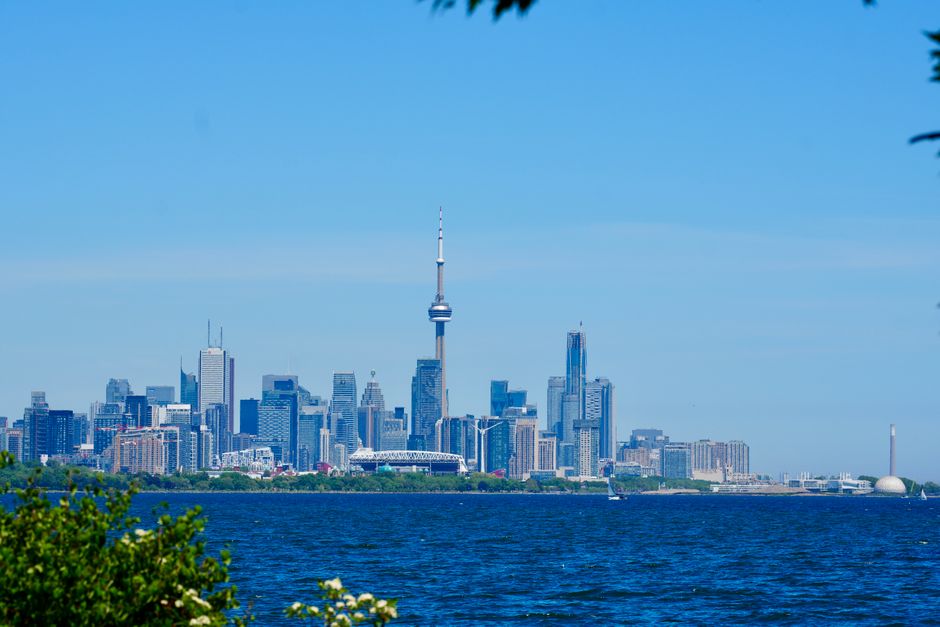
Thursday's World Cup match in Toronto came with more than just playoff drama. It came with a genuine health scare. Conditions on the pitch crept close to the "wet bulb" temperature threshold, the point at which FIFA's own heat guidelines call for games to be delayed or paused entirely to protect players.
For fans watching from the stands, or from home across the country, the humidity might have just felt like an unusually sticky summer night. But for the athletes on the field, it's a different story: one that health experts say Canadians should pay closer attention to as extreme heat events become more common.
What Is Wet Bulb Temperature, Exactly?
Unlike the number you see on a typical weather app, wet bulb temperature accounts for both heat and humidity together, measuring how effectively the human body can cool itself through sweating. When humidity is high, sweat doesn't evaporate as efficiently, which means the body struggles to shed excess heat, even if the air temperature itself doesn't seem extreme.
FIFA and other international sports bodies use wet bulb thresholds specifically because they're a better predictor of heat stress risk than air temperature alone. When conditions approach that threshold, athletes face a real risk of heat exhaustion, heat stroke, and dangerous spikes in core body temperature, even during activities they're otherwise well-conditioned for.
Why This Matters Beyond the Pitch
Toronto's brush with the wet bulb limit is a reminder that extreme heat isn't just a problem for hotter climates. It's increasingly a Canadian issue too. Ontario summers have grown hotter and more humid in recent years, and cities across the province, including Ottawa, have had to issue heat warnings and open cooling centres during peak summer stretches.
Events that draw large outdoor crowds, whether it's a World Cup match, a summer festival, or a marathon, now require more careful heat planning than they once did. That includes shaded rest areas, accessible water stations, and contingency plans for delaying or pausing events entirely if conditions become dangerous.
What Happens When a Match Gets Too Hot
When wet bulb readings approach dangerous levels, referees can call mandatory water breaks, known as "cooling breaks," partway through each half. In more extreme cases, matches can be delayed at kickoff or paused mid-play until conditions improve. Players showing signs of heat distress, dizziness, cramping, disorientation, are pulled for medical evaluation, since heat stroke can escalate quickly and become life-threatening.
Sports medicine experts note that even elite, highly conditioned athletes aren't immune to heat illness. Acclimatization, hydration, and rest all play a role, but once wet bulb temperatures climb high enough, no amount of fitness fully offsets the physiological strain.
The Bigger Picture for Canadian Cities
As Canada continues to host major international events in the years ahead, Thursday's near-miss in Toronto is likely to fuel broader conversations about scheduling, venue planning, and climate adaptation, not just for professional sports, but for any large outdoor gathering during increasingly hot Canadian summers.
Source: CBC News

