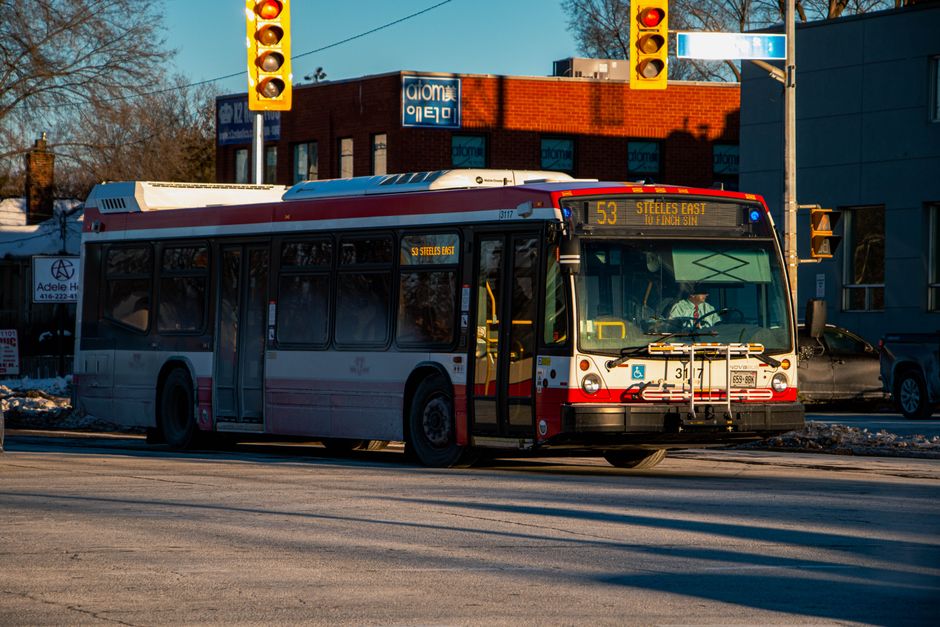
More Than Just a Place to Sit
You've probably claimed a seat on a TTC bus, streetcar, or subway without giving it a second thought. But there's a surprisingly deep world behind those fabric patterns and moulded plastic surfaces, one that involves decades of design decisions, budget battles, and yes, the occasional disgusting incident that changed transit history.
Toronto's transit authority has been thinking about seats for as long as it's been running vehicles, and the evolution of TTC upholstery mirrors broader shifts in urban transit thinking across North America.
Fabric vs. Plastic: The Eternal Debate
Anyone who rides transit regularly has noticed that some vehicles have cushioned fabric seats while others are all hard plastic. This isn't random. It reflects a deliberate calculus that transit agencies make when balancing rider comfort against maintenance costs and hygiene concerns.
Fabric seating is generally considered more comfortable, especially on longer rides, and it can make a transit system feel less institutional and more welcoming. But fabric also absorbs moisture, harbours bacteria, and is notoriously difficult to clean when something goes wrong, which, on a busy urban transit system, happens regularly.
Hard plastic seats, meanwhile, are virtually indestructible, easy to wipe down, and hold up much better in the kind of high-traffic environments that transit vehicles operate in. The trade-off is comfort and the feel of the ride.
The Psychology of Pattern Design
One of the more interesting aspects of transit seat design is the deliberate use of busy, complex patterns on fabric upholstery. If you've ever looked at a TTC or GO Transit seat and wondered why the pattern is so. intense, there's a method to it.
Busy patterns are specifically chosen because they hide wear, staining, and minor damage far better than solid colours or simple designs. A patterned fabric seat can look reasonably fresh even after years of heavy use that would make a plain-coloured seat look worn out.
Transit agencies commission these patterns with durability and visual longevity in mind. It's practical design masquerading as aesthetics.
Keeping It Clean on the TTC
Maintaining cleanliness on a system that carries millions of riders is a constant challenge. The TTC employs dedicated cleaning crews and has specific protocols for dealing with upholstered versus hard seats.
Over the years, the balance has shifted somewhat toward more plastic and vinyl surfaces, particularly in newer vehicle orders, reflecting both changing rider expectations and the hard-won lessons of operating a major transit system through everything from flu seasons to full-on global pandemics.
Next time you score a seat on a packed 504 King streetcar, take a moment to appreciate the quiet engineering decisions that made it possible.
Source: CBC Canada