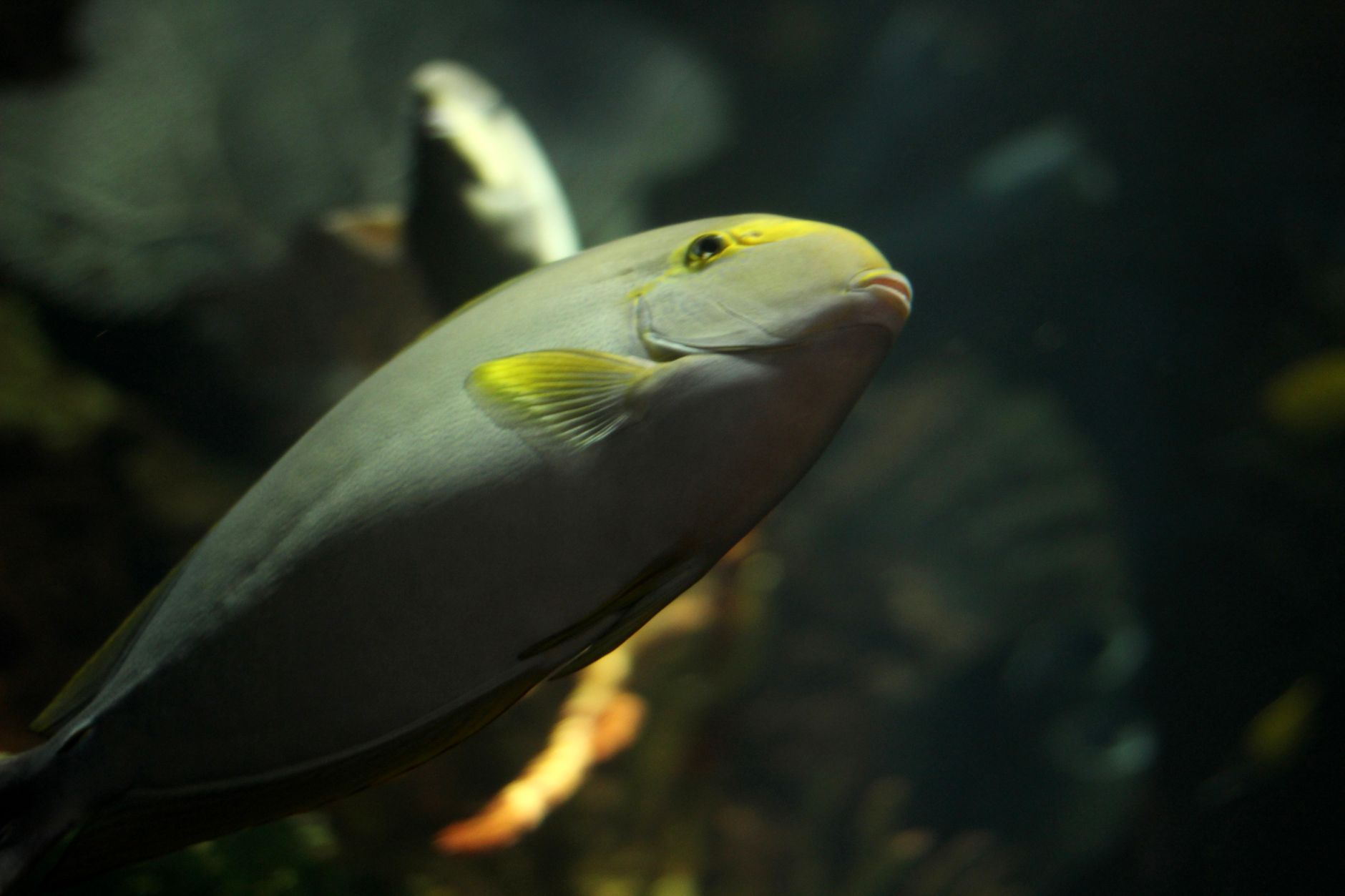
Warm-Water Species Moving North
Scientists monitoring Atlantic Canada's coastal waters are increasingly spotting something unexpected: tropical fish. Once rare sightings, these warm-water species are now appearing with growing regularity off the shores of Nova Scotia, and researchers say it's a trend worth watching closely.
The shift is being linked to warming ocean temperatures, which are making previously inhospitable northern waters more welcoming to species that would normally stay far to the south. While some see the occasional exotic fish as a curiosity, marine biologists are more concerned about the longer-term implications.
What's Driving the Change?
Ocean temperatures off Nova Scotia have been rising steadily, a pattern consistent with broader climate change trends observed across the North Atlantic. As surface and subsurface waters warm, the thermal barriers that once kept tropical species confined to southern latitudes are weakening.
Scientists note that some tropical fish arrivals may be temporary, juveniles carried north by currents that die off when water cools seasonally. But others are beginning to survive longer, raising the possibility that some species could eventually establish themselves as permanent residents.
A Threat to Local Species?
The big concern isn't just the novelty of seeing colourful tropical fish in Atlantic Canada. It's competition. Native species like cod, haddock, and mackerel have evolved over millennia in these specific conditions. Newcomers from warmer climes can introduce new predators, compete for food sources, or bring diseases to which local fish have no immunity.
Researchers are calling for more systematic monitoring to track which species are appearing, how often, and whether any are surviving long enough to reproduce. The data collected now could be critical for understanding how Nova Scotia's fisheries, a cornerstone of the province's economy and culture, might change in the decades ahead.
Broader Implications for Atlantic Canada
The appearance of tropical fish in Nova Scotia waters is part of a wider pattern of marine range shifts happening globally. Similar observations have been made off the coasts of New England, the UK, and even Scandinavia, where species distributions are shifting poleward at measurable rates.
For fishing communities that depend on predictable seasonal catches, these changes introduce uncertainty. Fisheries managers are being urged to factor climate-driven species shifts into their planning and quota-setting processes.
Scientists say it's still early days, and not every tropical sighting signals doom, but the frequency of these occurrences is a clear signal that Atlantic Canada's marine environment is changing in ways that demand attention.
Source: CBC Canada