The Vacuum Brand That Wants to Be Your Next Phone Maker
Chinese tech manufacturer Dreame has been quietly building a reputation as one of the more innovative players in the robot vacuum space. Now, the company wants a spot in your pocket too.
At its own "Next" event held in California this week, Dreame pulled back the curtain on two smartphones: the Aurora Lux and the Aurora Nex LS1. Both had already been teased at an event in China back in March, but the California showcase marked the company's first real push to position itself as a global smartphone contender.
The catch? Neither phone has actually launched anywhere, not in China, not in the US, and not internationally. And Dreame has been notably tight-lipped about full specs, pricing, or a release timeline.
Two Phones, Two Very Different Bets
The Aurora Lux is the more fashion-forward of the two. Dreame showed off 29 different design variants at the event, a clear nod to the personalization trend that's been picking up steam in consumer tech. Think interchangeable backs, bold colour options, and a design language that seems aimed squarely at style-conscious buyers who want their phone to say something about them.
The Aurora Nex LS1, however, is the genuinely interesting one, even if it's the harder sell. It's a modular smartphone, built around a magnetic attachment point where you'd normally find the rear camera module. The concept lets users swap out camera hardware, accessories, or other add-ons depending on what they need.
Modular phones have a rough track record. Google's Project Ara famously never made it to market. LG's G5 with its "Magic Slot" launched to a lukewarm reception and was quietly dropped. Motorola's Moto Mods lasted longer but faded out as well. The idea is compelling on paper: why replace an entire phone when you can upgrade just one part?, but it's proven stubbornly difficult to execute in a way that consumers actually want.
Can Dreame Pull It Off?
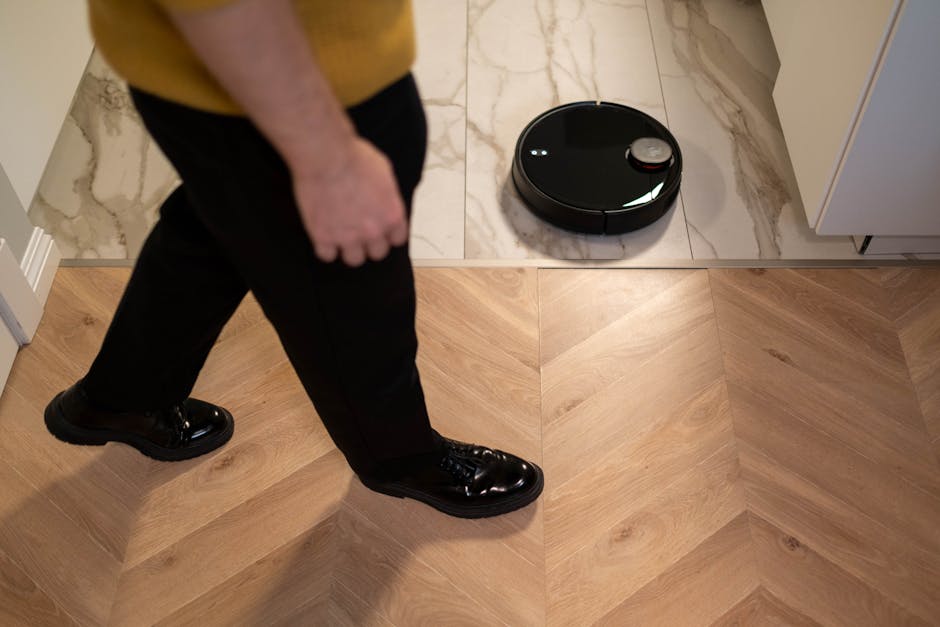
Dreame has a few things going for it. The company has genuine engineering credibility in the consumer hardware space. Its robot vacuums are well-reviewed and compete directly with brands like Roborock and iRobot. It knows how to build products people want to buy.
But smartphones are a different beast entirely. The market is dominated by Apple, Samsung, and a handful of Chinese giants like Xiaomi, Oppo, and Vivo who have years of ecosystem investment, carrier relationships, and brand recognition. Breaking in as a newcomer, especially with unproven designs and zero launch details: is an enormous challenge.
The modular angle could be a genuine differentiator if Dreame can nail the execution and build a robust accessory ecosystem around it. The Aurora Lux's design-first approach could carve out a niche in markets where aesthetics drive purchasing decisions.
For now, though, the smartphones remain more concept than product. Dreame has generated buzz, which is probably the point: but the real test will come when (or if) these devices actually ship.
Source: The Verge