'If We Sleep, They Bite'
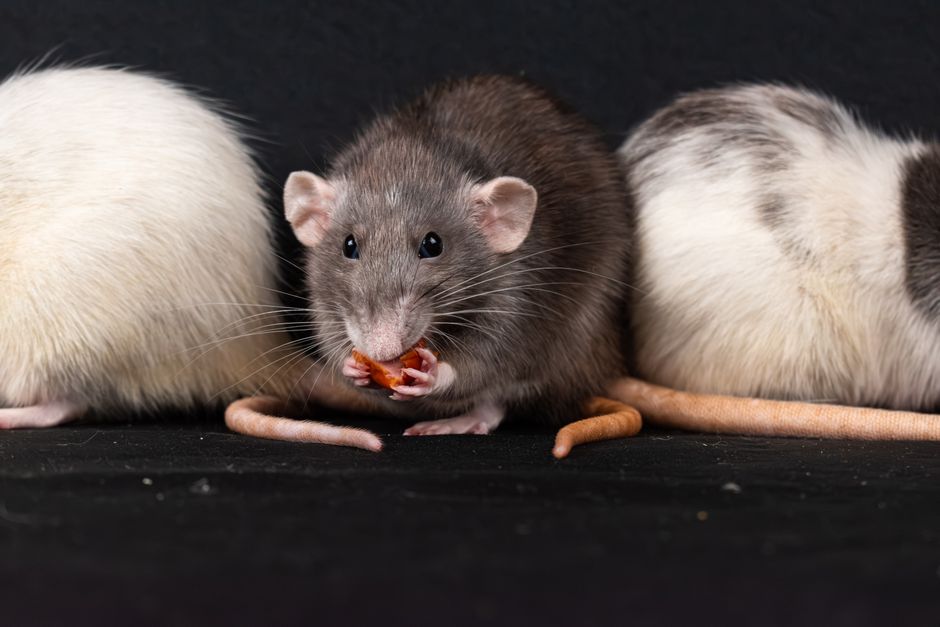
For the hundreds of thousands of Palestinians living in makeshift displacement camps across the Gaza Strip, the fight for survival has taken on a new and deeply unsettling dimension. Rats, weasels, and other pests have infested the overcrowded shelters, forcing families to stay awake through the night to protect themselves and their children from bites.
"If we sleep, they bite," residents have told reporters, a phrase that encapsulates the relentless, grinding horror of life in the camps. It's not a metaphor. It's a nightly reality.
Overcrowding and Collapsed Sanitation
The infestation is a direct consequence of the humanitarian collapse unfolding in Gaza. With over a million people crammed into tent cities and makeshift shelters, many displaced multiple times, basic sanitation infrastructure has broken down almost entirely.
Garbage piles up with nowhere to go. Clean water is scarce. Food storage is improvised and insecure. These are ideal conditions for rodents and other vermin to thrive, and they have.
Public health experts have long warned that disease outbreaks in conditions like these are not a matter of if, but when. Rodents carry leptospirosis, hantavirus, salmonella, and a host of other illnesses. In a population already weakened by malnutrition, limited medical care, and chronic stress, even a minor infection can become life-threatening.
A Compounding Humanitarian Crisis
The pest crisis is one of many compounding emergencies that humanitarian organizations are struggling to address in Gaza. Aid agencies have repeatedly warned that the scale of civilian suffering has reached catastrophic levels, with food insecurity, disease, and lack of shelter all intersecting in a devastating way.
For families in the camps, daily life involves a constant series of impossible choices: how to find food, how to keep children safe, how to sleep when the darkness brings a new kind of threat. The psychological toll of living under these conditions, month after month, is immeasurable.
Children are particularly vulnerable. They sleep on the ground, often with little more than a thin blanket for protection, in tents that offer no real barrier to rodents looking for warmth or scraps of food.
No Easy Fix
Addressing a pest infestation of this scale would be a major undertaking even under normal circumstances. In an active conflict zone with restricted humanitarian access, it is nearly impossible. Pest control requires supplies, coordination, and, crucially, the ability to improve the underlying conditions that attract vermin in the first place.
Without a dramatic improvement in sanitation, waste removal, and access to safe shelter, the rats and weasels will keep coming. And the people sheltering in Gaza's displacement camps will keep losing sleep, and far worse, as a result.
The situation is a stark reminder that the humanitarian consequences of the conflict in Gaza extend far beyond the immediate violence. For those living through it, the suffering is layered, relentless, and without a clear end in sight.
Source: BBC World

