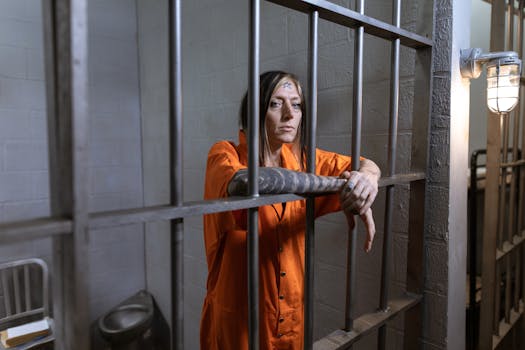
President Nayib Bukele's celebrated crackdown on gang violence, which locked up 1.4 percent of El Salvador's entire population, may have involved crimes against humanity, including murder, torture and enforced disappearances, a new legal study has found.
The report by the Due Process of Law Foundation, a human rights organization, documented a pattern of abuses in El Salvador's prison system since Bukele declared a state of emergency in March 2022. Legal experts found evidence of mass arbitrary detention, deaths in custody, systematic torture, and the disappearance of detainees, conditions the report argues meet the legal threshold for crimes against humanity.
A Model Admired, and Copied
Bukele's security strategy has attracted enormous international attention. By arresting more than 80,000 people under emergency powers that suspended due process protections, he transformed El Salvador from one of Latin America's most violent countries into one of its safest, at least on the surface.
Several other governments, most notably in Honduras, Ecuador, and even some US officials under the Trump administration, have held El Salvador up as a model for crime reduction. The "Bukele model" has been discussed approvingly in policy circles across the hemisphere.
But critics argue the statistics mask a different reality: tens of thousands of people, many of them innocent bystanders with no gang connections, detained without evidence, cut off from family and lawyers, and subjected to brutal conditions.
Human Rights and Canadian Policy
For Canada, which has positioned itself as a champion of the rule of law and international human rights norms, the El Salvador case presents a direct policy challenge. Canada has ongoing diplomatic and trade relationships with El Salvador, and the government has faced pressure from human rights advocates to speak more forcefully about conditions in Bukele's prisons.
Ottawa's Latin American diaspora communities, including significant Salvadoran, Guatemalan, and Honduran communities in the National Capital Region, have been closely watching the regional trend toward authoritarian-style security crackdowns, with many families directly affected by the disappearance of relatives into Central American prison systems.
Source: The Guardian

