A Century-Old Wrong Begins to Be Righted
A sacred artifact looted by French colonial authorities more than 100 years ago has finally come home. The Djidji Ayôkwé, a ceremonial talking drum confiscated in 1916 by French administrators, landed at the Port Bouët airport on the outskirts of Abidjan, Côte d'Ivoire's economic capital, at 8:45am on a Friday morning, welcomed back to the country from which it was taken.
The drum had been handed over to Ivorian officials in Paris earlier this month, after being removed from the prestigious Quai Branly – Jacques Chirac Museum. It marks one of the most symbolically significant cultural restitutions France has made to a former African colony in years.
What Is the Djidji Ayôkwé?
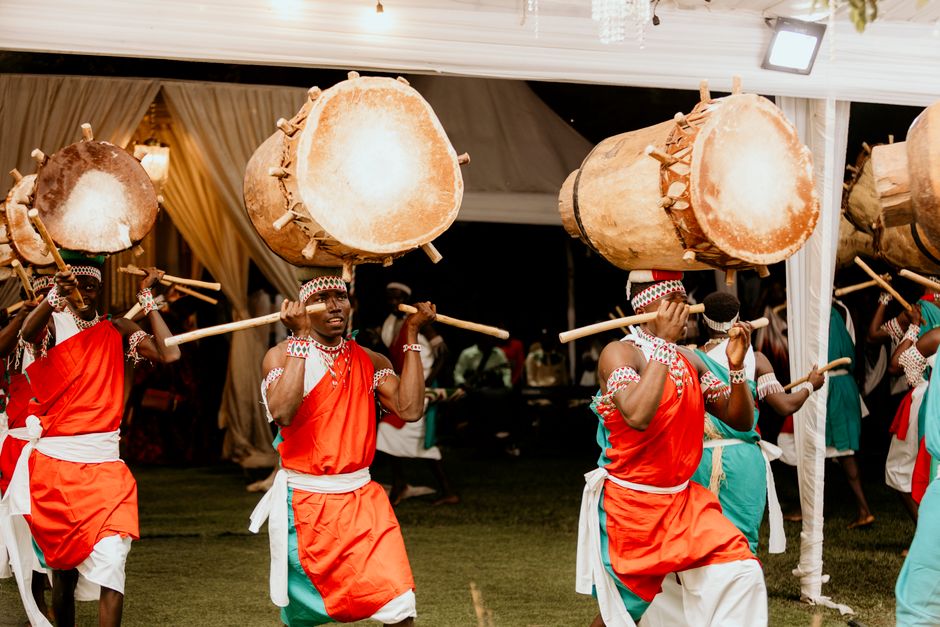
The Djidji Ayôkwé is not just an instrument. It is a sacred object of deep cultural, spiritual, and political significance to the communities of Côte d'Ivoire. Talking drums in West Africa traditionally served as a form of communication across distances, carrying messages, summoning people to assemblies, and marking important ceremonies.
When French colonial authorities seized the drum in 1916, they did not just take an object. They removed a living piece of cultural identity, one that communities had been calling for the return of for generations.
A Broader Push for Restitution
France has faced sustained pressure from African nations to return the thousands of artifacts held in French institutions, many acquired during the colonial period under circumstances that ranged from forced sale to outright confiscation. A landmark 2018 report commissioned by President Macron recommended the "temporary or definitive restitution" of African cultural heritage.
Progress has been slow, and critics argue France has moved far too cautiously. The return of the Djidji Ayôkwé is a meaningful step, but one that advocates say must be the beginning of a much larger process, not an isolated gesture.
Homecoming
For the people of Côte d'Ivoire, the drum's arrival is both a celebration and a reckoning, a reminder of what was taken, and what it means to get something back. Its homecoming after 110 years is a moment that transcends politics and speaks to the enduring importance of cultural heritage to identity, memory, and dignity.
Source: The Guardian

