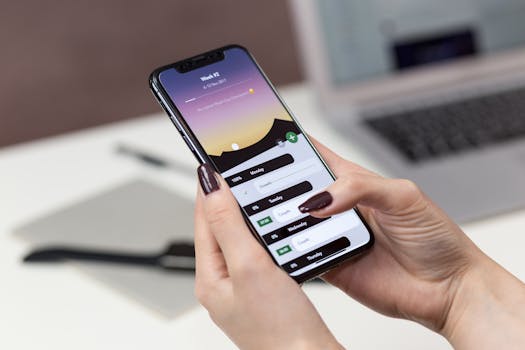
Google Just Made Home Screen Customization a Lot More Interesting
Google is pushing AI-powered personalization to a new level with a feature called Create My Widget: and if it works as advertised, it could fundamentally change how people interact with their Android home screens.
The idea is simple but surprisingly powerful: instead of downloading a pre-built widget and hoping it fits your needs, you describe exactly what you want in plain English, and Google's AI builds it for you on the spot.
How It Works
Using the Create My Widget feature, users type a natural language prompt describing the widget they'd like. Google's example? Asking it to "suggest three high-protein meal prep recipes every week", and the feature generates a custom meal prep dashboard widget that you can pin, resize, and rearrange on your home screen like any other widget.
The possibilities here are genuinely broad. You could ask for a custom hydration tracker, a daily language learning card, a live price tracker for a specific stock, or a local weather widget tuned to exactly the data you care about. If you can describe it, the feature is designed to build it.
This is what the tech world has started calling vibe coding: using AI to generate functional tools based on intent and feel rather than explicit technical instructions. It's a trend that's been sweeping developer circles for the past year, and Google is now bringing that energy to everyday smartphone users.
Why This Matters
For most people, home screen widgets have always been a take-it-or-leave-it proposition. You install an app, it offers a widget, and you either use the widget as-is or don't bother. There's been almost no room for customization beyond resizing.
Create My Widget flips that model. It turns the home screen into something closer to a personal dashboard, one that reflects your actual habits, interests, and routines rather than what an app developer decided to surface.
It also represents a significant expansion of what on-device AI can do. Rather than just answering questions or summarizing text, AI is now being asked to generate interactive UI components in real time. That's a meaningful step up in complexity.
The Broader AI Widget Race
Google isn't operating in a vacuum here. Apple has been expanding its own widget ecosystem with iOS, and third-party apps like Widgetsmith have built entire businesses around home screen personalization. Microsoft has been integrating Copilot AI across Windows in similar ways.
But an AI-native widget creation tool, one where you don't need to find the right app first, is a genuinely new angle. It could lower the barrier to useful, personalized software for people who would never consider writing code themselves.
What We Don't Know Yet
Google hasn't announced a full rollout date or confirmed which Android versions will support Create My Widget. There are also open questions about what the widgets can actually connect to, whether they can pull live data from the web, integrate with third-party apps, or only work within Google's own ecosystem.
Still, the direction is clear: Google wants AI to do more than assist. It wants AI to build things for you: starting with the screen you look at dozens of times a day.
Source: TechCrunch