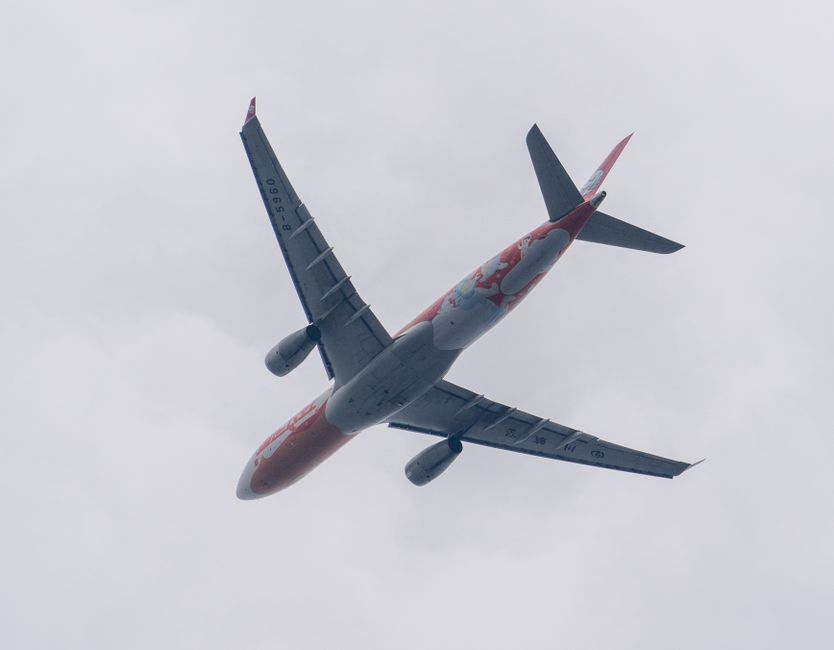
The Sky as a War Zone
When missiles start flying, it is not just people on the ground who face danger. The airspace above conflict zones becomes treacherous for commercial aviation, and the restrictions that follow ripple across the global airline industry in ways passengers feel through longer flight times and higher fares.
That is exactly what is happening in the wake of recent missile strikes in the Middle East. Airspace over Iran and the Persian Gulf has been severely restricted, forcing airlines to dramatically reroute flights that would normally pass through some of the world busiest air corridors.
Detours Add Hours and Costs
Routes between Europe and South and Southeast Asia have been among the most affected. Flights that would typically arc over Iran and the Gulf now have to swing wide, adding hours to journeys and burning significantly more fuel. Those extra costs do not stay with the airlines; they get passed on to passengers.
For carriers already operating on thin margins, the rerouting represents a serious financial blow. Some airlines have suspended routes entirely, leaving passengers scrambling for alternatives.
How Pilots and Air Traffic Controllers Manage It
Aviation safety officials around the world have issued NOTAMs, Notices to Air Missions. That effectively prohibit commercial flights from entering certain blocks of airspace. Airlines receive these updates in real time and must file alternate flight plans before departure.
Pilots flying through adjacent airspace are on high alert. The industry has developed robust procedures for navigating around conflict zones, though no system is entirely foolproof.
Lessons From Past Conflicts
The aviation industry learned hard lessons from tragedies like the downing of MH17 over Ukraine in 2014. Since then, international aviation bodies have strengthened guidance on conflict zone risk assessments, and many airlines have adopted more conservative policies about flying near active fighting.
When Does the Sky Reopen?
The timeline for restoring normal airspace access is entirely dependent on the military situation on the ground. Travellers with upcoming flights through the affected region should check with their airline about potential route changes.
The invisible infrastructure of the sky is far more fragile than most passengers ever realize, until a war makes it visible.
Source: BBC News

