How the Iran War Could Hit Your Grocery Bill This Summer
With oil prices above $100 a barrel and global supply chains under strain, agricultural experts are sounding the alarm about a potential food crisis linked to the Iran conflict, and Canadian farmers are among those bracing for the fallout.
The Iran war is driving up two key inputs for food production: energy and fertilizer. Natural gas, which has spiked alongside oil, is the primary feedstock for nitrogen fertilizers like urea and ammonium nitrate. As gas prices soar, fertilizer manufacturers have warned of production cuts and price increases that could reach 30–40 per cent over last year's levels.
Ottawa Farmers on Edge
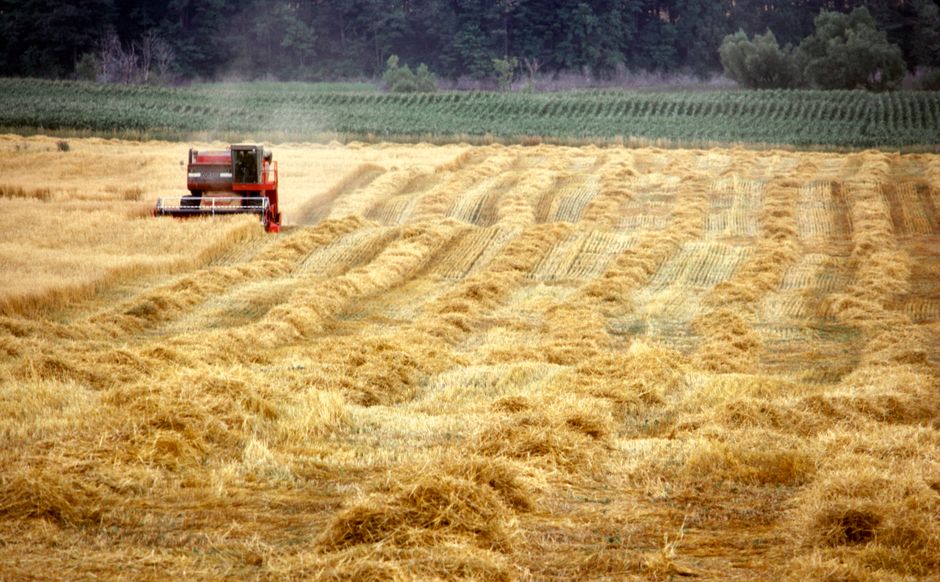
For farmers in the Ottawa Valley and eastern Ontario, the timing is particularly stressful. Spring planting season begins in just a few weeks, and many growers are watching fertilizer prices with alarm. Some have already pre-purchased inputs to lock in costs; others face steep increases on remaining orders.
"We already had tight margins," said one Renfrew County grain farmer. "Now we're looking at paying significantly more to grow the same crop. That has to flow through to prices eventually."
The broader Canadian agricultural sector, a major global exporter of canola, wheat, and corn, is both victim and beneficiary of the current volatility. Export prices are rising, which helps farm revenue, but input costs are chewing into those gains.
Supply Chain Fragility Exposed Again
The Iran conflict has exposed just how fragile global food supply chains remain in a world of geopolitical volatility. The Strait of Hormuz carries not just oil, but also significant volumes of fertilizer exports from Gulf states. With shipping disrupted, supplies that would normally reach South and Southeast Asian markets are stranded, creating shortages that push up prices worldwide.
The United Nations Food and Agriculture Organization has warned that if the conflict persists through the spring planting season in the Northern Hemisphere, there could be shortfalls in staple grain production that would hit developing countries hardest, but also push up food import costs for wealthy nations like Canada.
At the Ottawa grocery level, food banks are already reporting increased demand from residents squeezed by the rise in food prices over the past three years. Food bank coordinators worry that another round of food inflation, layered on top of existing cost-of-living pressures, could push more Ottawa families into food insecurity this year.
The federal government has not yet announced specific measures to cushion the impact on consumers, though Agriculture Minister's office said it was "monitoring the situation closely."
Source: Deutsche Welle

