The US-Israel war with Iran has produced a cascade of economic consequences that extend far beyond the Middle East. Oil and gas price hikes since the closure of the Strait of Hormuz have rattled the global economy, and analysts say the full impact is still unfolding.
The Oil Price Shock
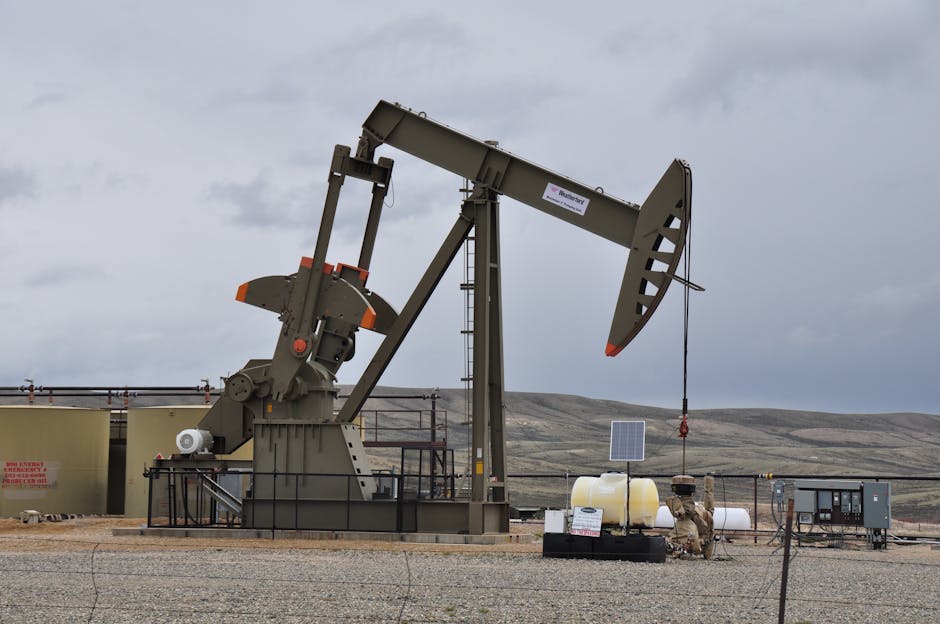
The most immediate and visible sign of the war's economic toll is the price of crude oil, which has surged to approximately $100 per barrel, a dramatic increase from pre-conflict levels. The Strait of Hormuz, through which roughly one-fifth of the world's oil supply flows, has been effectively closed since hostilities began, removing a massive volume of supply from global markets.
Oil traders and markets had built in some risk premium before the conflict began, but the speed and severity of the strait's closure exceeded most scenarios. The result has been a price shock that is reverberating across virtually every sector of the global economy.
Energy Bills and Inflation
Higher oil prices translate with near-mechanical reliability into higher prices for consumers. Petrol prices at the pump have risen sharply in North America, Europe, and Asia. Natural gas prices, which are closely correlated with oil in many markets, have also spiked, adding to household heating and electricity costs.
The inflationary pressure is particularly concerning because it comes just as many Western central banks believed they had successfully brought inflation under control following the post-COVID spike. The Iran war threatens to reignite inflation dynamics that policymakers had worked for two years to suppress.
Airlines and Transport Under Pressure
Fuel costs represent one of the largest operating expenses for airlines, shipping companies, and logistics operators. With jet fuel prices surging, major airlines have begun adjusting routes, reducing capacity on unprofitable routes, and introducing fuel surcharges. The global shipping industry, already under strain from geopolitical disruptions, is absorbing significant additional costs.
These higher transportation costs feed through into the prices of goods, adding to inflationary pressure across the board.
Financial Markets Feel the Strain
Stock markets have responded with volatility. Energy stocks have surged as oil companies benefit from higher prices, while airlines, consumer goods companies, and manufacturers have seen valuations pressured. Central banks face an uncomfortable dilemma: raising interest rates to fight oil-driven inflation could slow already fragile economies, while holding rates steady risks allowing an inflation spiral to develop.
Developing Economies Hardest Hit
The economic pain is distributed unequally, with developing nations bearing a disproportionate burden. Oil-importing developing countries face a double squeeze: rising import bills for energy and food (whose production and transportation costs have risen sharply), combined with weakening currencies as global investors seek safe havens. The IMF and World Bank have warned of heightened debt stress in multiple countries as a result.
How Long Could It Last?
The duration of the economic disruption depends heavily on how quickly, and on what terms, the Iran conflict is resolved. Analysts note that even a ceasefire would not immediately restore full oil flows through the Strait of Hormuz; mine clearance, security assurances, and infrastructure repairs could take weeks or months.
For now, the global economy is adjusting to a new and painful reality, one shaped not by market forces, but by the consequences of a war that few outside Washington and Jerusalem chose or wanted.
Source: Al Jazeera

