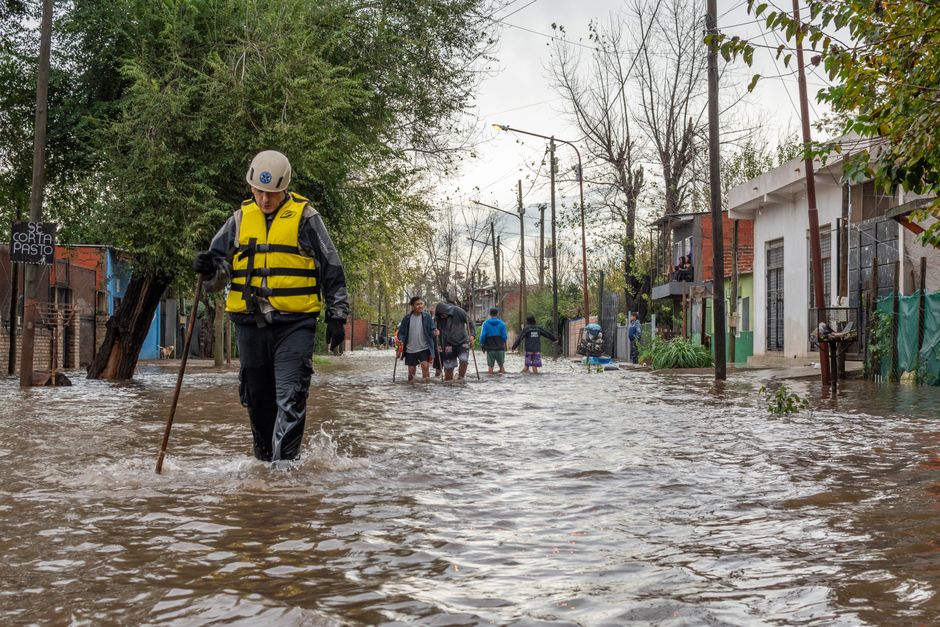
Deadly Floods Sweep Kenya
Heavy rains have triggered devastating floods across Kenya, killing at least 66 people as emergency responders work to reach affected communities. The disaster has struck both rural areas and the capital Nairobi, where rapidly rising floodwaters have inundated streets, homes, and low-lying neighbourhoods.
The human toll is particularly visible in Nairobi, where eleven people were rescued overnight after a minibus taxi became trapped in surging floodwaters. Rescue teams worked through the night in scenes that captured the terrifying speed at which the floods can rise.
A City Ill-Equipped for the Deluge
Nairobi, like many rapidly growing African cities, has struggled to build drainage and flood management infrastructure at the pace of its population growth. Informal settlements that house a large portion of the city residents are particularly vulnerable, built in flood-prone areas without the systems needed to manage heavy rains.
Environmental experts have long warned that climate change is intensifying rainfall events across East Africa, making floods both more frequent and more severe. The March-April long rains season has arrived with unusual ferocity this year.
Communities Cut Off
Beyond Nairobi, flooding has cut off road access to numerous rural communities, hampering the delivery of aid and emergency services. Bridges have been washed out, crops destroyed, and livestock killed, compounding losses for farming families who have few financial reserves.
The Kenyan Red Cross and government emergency agencies have mobilized resources, but the scale of the disaster is stretching available capacity. International humanitarian organizations have also been called upon to assist.
A Pattern of Increasing Disaster
This is not an isolated event for Kenya. The country experienced catastrophic floods in 2024 that killed hundreds of people, with devastating scenes in regions including Tana River and parts of the Rift Valley. Experts say that without significant investment in flood-resilient infrastructure and early warning systems, the death toll from such events will continue to rise.
Source: BBC News