Kenya's Turkana Faces Drought as Food Waste Crisis Deepens
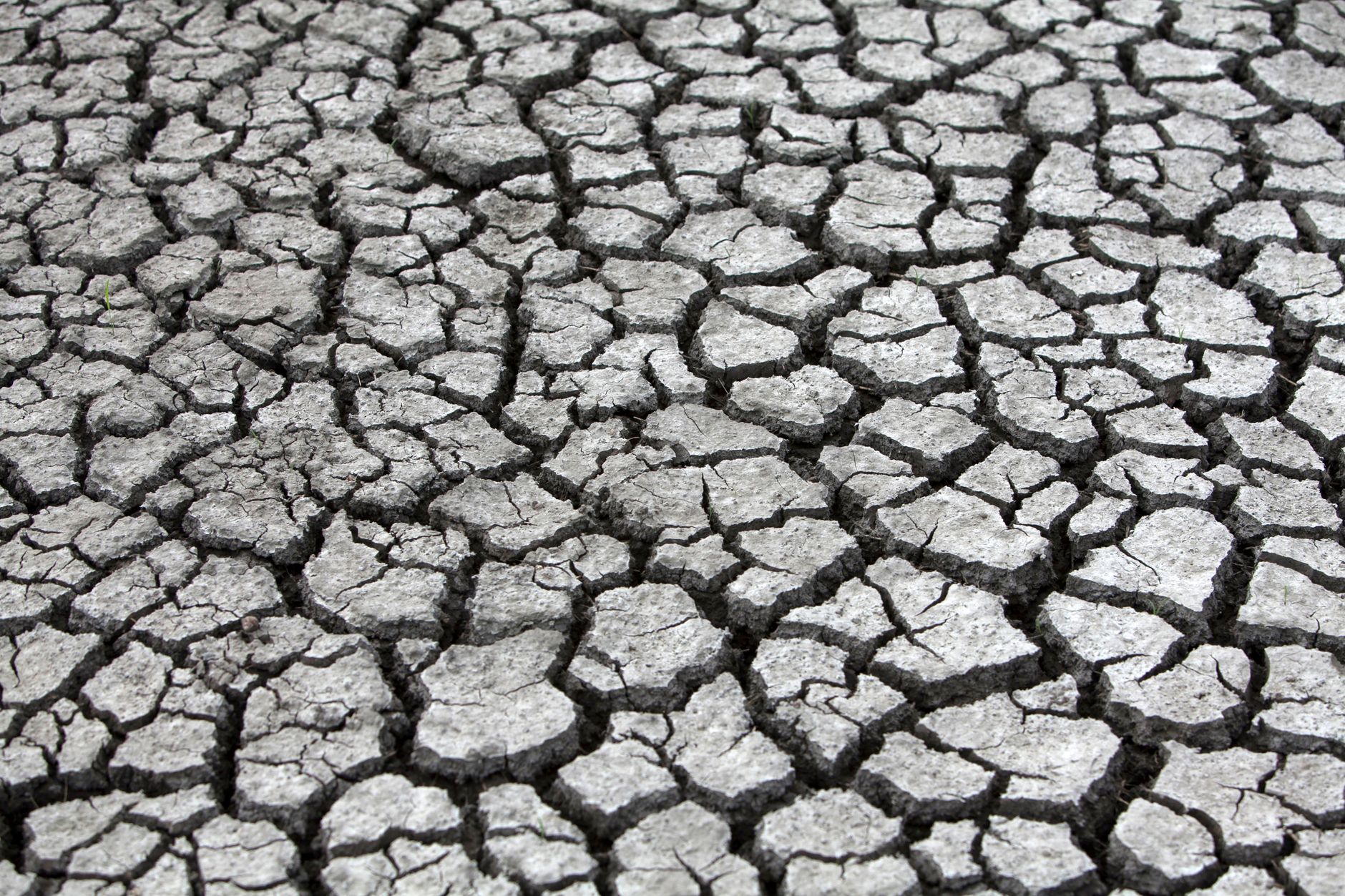
In Kenya's Turkana region, a severe drought is pushing communities to the brink. 'How do I survive?' is the question being asked by people who have watched their crops fail and their livestock die in one of the driest stretches in recent memory.
But the crisis is more complicated than simple scarcity. Even as a quarter of Kenya's population faces severe food shortages, the country loses up to 40% of its food production every year to waste and spoilage, a staggering paradox that reveals how much of the problem is about systems rather than total supply.
Turkana's Specific Crisis
The Turkana region in northwestern Kenya is among the most arid parts of the country, and its communities are among the most vulnerable to climate variability. Pastoralists who depend on cattle and goats for their livelihoods are seeing herds decimated. Farming families are watching planting seasons pass without rain.
Food aid from international organizations is reaching some communities, but access remains patchy and demand far exceeds supply.
The Food Waste Disconnect
The 40% food loss figure comes from a combination of factors: poor storage infrastructure, inadequate transportation networks, and limited processing capacity mean that enormous quantities of food spoil before it can reach consumers. Addressing this waste alone could substantially improve food security across the country.
The Climate Dimension
Climate scientists note that drought events in the Turkana region are becoming more frequent and more severe as global temperatures rise. What was once a once-a-decade crisis is trending toward a once-every-few-years reality, placing enormous pressure on communities with limited adaptive capacity.
Source: Al Jazeera

