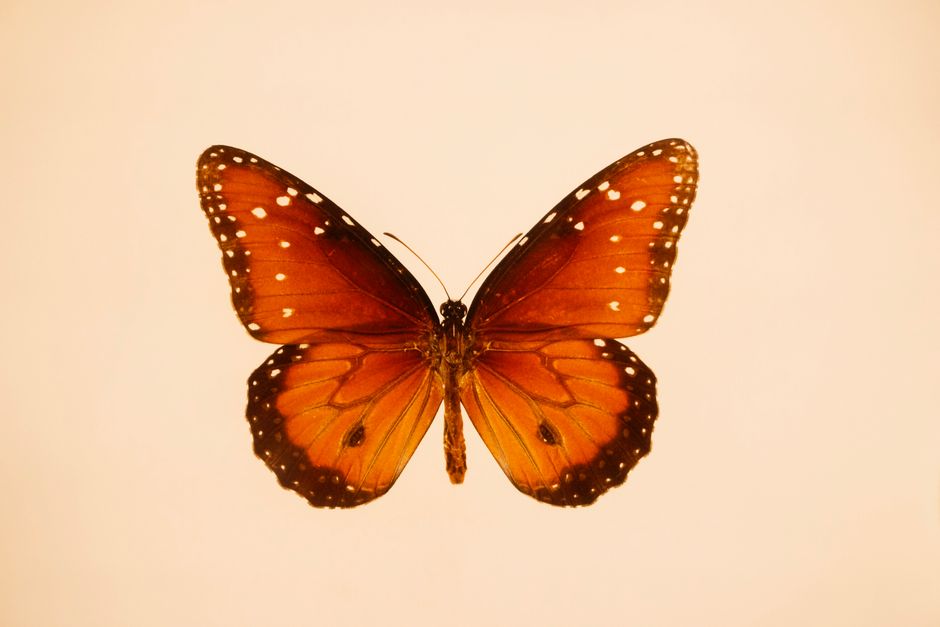
One of nature's most spectacular journeys is about to get a lot more scrutiny, and your smartphone might play a role. Researchers have equipped 160 monarch butterflies across Mexico's six butterfly sanctuaries with tiny solar-powered transmitters, enabling the most detailed tracking study of the insects' northward migration ever attempted.
Solar Panels the Size of a Grain of Rice
The transmitters are marvels of miniaturization. Each one weighs just 60 milligrams and features solar panels described as "the size of a grain of rice." They're attached to the butterflies' thorax using false eyelash glue, a gentle and reversible method that doesn't harm the insects.
The data collected by these devices can be picked up using people's smartphones, turning everyday citizens into contributors to a major scientific effort. This crowdsourced tracking approach dramatically expands researchers' ability to monitor the insects across their vast range.
What Scientists Hope to Learn
The study is centered at El Rosario sanctuary in Michoacán, Mexico, a 135-square-kilometre reserve where the vast majority of North America's eastern monarch population spends the winter. Biologist Eduardo Rendón Salinas of WWF Mexico says one of the key goals is to track how monarchs move between colonies during their hibernation phase, something that had previously only been theorized.
As monarchs begin their gradual spring departure in March, heading north toward the U.S. and eventually southern Canada, researchers will have an unprecedented window into the first leg of that iconic journey.
Why the Migration Matters
Monarch butterflies travel thousands of kilometres each year, a multi-generational migration that depends on specific milkweed plants, warm temperatures, and intact habitat corridors. Understanding exactly how and when they move is critical for conservation efforts, especially as monarch populations have faced steep declines in recent decades.
For Canadians who spot monarchs in their gardens each summer, this research is a reminder that those butterflies began their journey in a Mexican mountain forest, and that citizen science, from Mexico to Ottawa backyards, is increasingly part of how we protect them.
Source: CBC Technology

