Converting 360 Laurier Ave. Into Apartments Is No Easy Feat
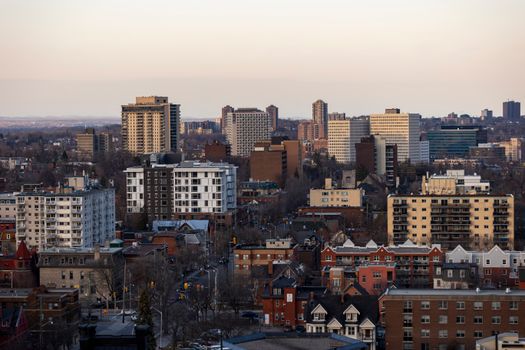
Ottawa's downtown core has no shortage of underused office buildings, but turning them into homes is rarely as straightforward as it sounds, and 360 Laurier Ave. is a textbook example of why.
The project, which aims to convert the aging office tower into residential units, has been years in the making. Developers, planners, and architects involved in the conversion have had to navigate a maze of structural challenges, zoning hurdles, and market pressures that make office-to-residential conversions one of the trickiest real estate plays in the city.
Why Office Conversions Are So Hard
On paper, converting empty office space into housing makes perfect sense, especially in a city like Ottawa, where the federal government's shift to hybrid and remote work has left swaths of downtown office space vacant. But the reality is far more complicated.
Older office towers like 360 Laurier were designed with deep floor plates, meaning natural light doesn't reach the building's interior the way it would in a purpose-built residential tower. Mechanical systems, plumbing stacks, and elevator cores are positioned for commercial use, not for dozens of individual apartments that each need their own bathroom, kitchen, and ventilation.
"You have to be creative," is how those involved in the project have described the process, and that creativity comes at a cost. Retrofitting a building of this scale often runs significantly higher per square foot than new construction, squeezing the economics of a project that's already fighting tight housing margins.
Ottawa's Conversion Push
Despite the challenges, the pressure to find new housing supply in Ottawa is real. The city has been actively encouraging office-to-residential conversions as part of its broader housing strategy, offering planning support and fast-tracked approvals for projects that add residential density downtown.
The federal government has also thrown its weight behind conversions nationally, with programs designed to unlock funding for exactly these kinds of projects. For a building like 360 Laurier, located steps from Centretown, transit, and city amenities, the location makes the effort worthwhile if the numbers can be made to work.
A Long Road Ahead
Projects like 360 Laurier don't happen overnight. From initial feasibility studies to design approvals, heritage reviews (if applicable), and construction financing, timelines can stretch years beyond initial projections. Every twist in the process, a structural surprise behind a wall, a change in market conditions, a financing gap, can push the finish line further out.
But advocates for housing argue the effort is essential. Every converted office building is one more step toward addressing Ottawa's housing crunch, bringing units online in walkable, transit-connected neighbourhoods where demand is strong and land is scarce.
Whether 360 Laurier emerges as a model for future Ottawa conversions or a cautionary tale about the limits of adaptive reuse remains to be seen. Either way, the project is shining a light on just how much work, and creativity, goes into reshaping the city's built environment.
Source: Ottawa Business Journal