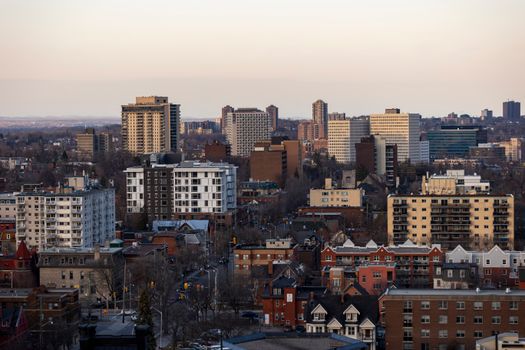
Ottawa's prospective home buyers were already watching the market cautiously, now the country's top real estate body is telling them the outlook has gotten worse.
The Canadian Real Estate Association (CREA) has officially downgraded its 2026 housing market forecast, pointing to a jump in fixed mortgage rates and weaker-than-expected sales across the country in the first quarter of the year. The revision is a significant pivot from what CREA had projected just months ago, when economists were optimistic that pent-up demand, particularly from first-time buyers sitting on the sidelines, would finally push sales higher.
What Changed?
The culprit, according to CREA, is what analysts are calling an 'oil shock', a broader economic disruption tied to energy price volatility that has fed into higher borrowing costs. Fixed mortgage rates, which had been edging down through late 2025, reversed course in early 2026, squeezing affordability at exactly the wrong moment.
For Ottawa buyers, that means the window of opportunity that many had been waiting for, lower rates, more inventory, less competition, has narrowed considerably. The dream of a calmer, more buyer-friendly market hasn't materialized the way many hoped.
Ottawa's Market in Context
Ottawa has generally fared better than Toronto or Vancouver when it comes to housing affordability, but the city is not immune to national trends. The capital's real estate market saw some cooling in late 2024 and into 2025, with prices stabilizing and days-on-market ticking up. That gave buyers a bit of breathing room.
But with fixed rates climbing again, the monthly carrying cost on a typical Ottawa home, which averaged around $650,000 to $700,000 for a detached property in many neighbourhoods, has jumped noticeably. For a buyer putting 10% down on a $680,000 home, even a half-percentage-point rate increase adds hundreds of dollars to a monthly payment.
First-Time Buyers Take the Hit
CREA had specifically been counting on first-time buyers to drive 2026 sales. Many of them had been pre-approved, waiting for the right moment. With rates back on the rise, some of those buyers are recalibrating, stretching timelines, adjusting budgets, or holding off entirely.
In Ottawa, that's especially relevant in popular entry-level markets like Barrhaven, Kanata, and parts of the east end, where condos and townhomes attract younger buyers. Demand in those segments could soften if rate anxiety persists through spring and summer.
What to Watch
All eyes are now on the Bank of Canada and whether further rate cuts materialize later in 2026. If inflation continues to ease and the Bank moves again, fixed rates could follow, but forecasters are increasingly cautious about making that call.
For Ottawa sellers, the revised forecast isn't necessarily a reason to panic. Inventory in the city remains relatively tight, and well-priced homes in good locations are still moving. But the days of multiple offers on everything are likely behind us for now.
For buyers, the message is mixed: more time to shop, but higher costs when you do pull the trigger. It's a frustrating equation, and CREA's revised numbers suggest it won't resolve itself quickly.
Source: CBC Ottawa / Canadian Real Estate Association (CREA). Original article: CBC News