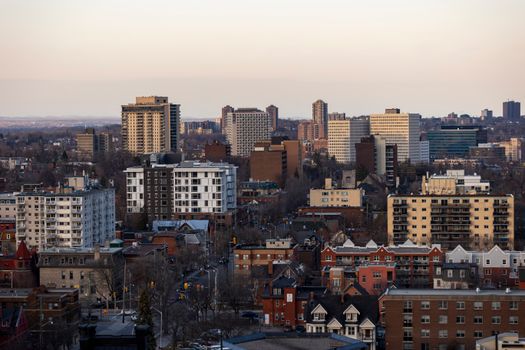
Ottawa's commercial real estate community is sounding the alarm over the federal government's emerging plan to sell off a portfolio of downtown office buildings, and one prominent broker isn't holding back.
The Federal Selloff Plan
The federal government, grappling with a dramatically reduced need for office space in the wake of widespread remote and hybrid work adoption among the public service, has been eyeing its vast real estate holdings as a potential source of savings. Ottawa's downtown core, home to a dense cluster of federal office towers and mid-rise buildings along streets like Sparks, Slater, and Albert, sits at the centre of the debate.
The logic seems straightforward on paper: fewer federal workers commuting to the office means fewer desks needed, and fewer desks needed means fewer buildings required. Selling surplus properties could generate revenue and trim the government's long-term real estate overhead.
But at least one veteran commercial broker isn't buying it, and is urging the feds to slow down.
Why the Pushback?
The concern centres on the potential downstream effects of flooding Ottawa's already-soft downtown office market with a wave of government-owned supply. Downtown Ottawa, like most Canadian city centres, has been navigating elevated office vacancy rates since the pandemic reshaped where and how people work. Injecting large, potentially underutilized federal buildings into that mix could depress values, complicate the efforts of private landlords already struggling with vacancies, and send the wrong signal about the future of the downtown core.
There's also the question of adaptive reuse. Federal buildings, many of which were purpose-built for government tenants and require significant upgrades to meet modern standards, may not be the easy flips they appear to be. Converting them into residential units or mixed-use developments, a strategy cities like Ottawa desperately need to revitalize downtowns, takes time, capital, and the right policy environment.
Ottawa's Downtown at a Crossroads
The stakes for Ottawa are particularly high. Unlike Toronto or Vancouver, where the federal footprint is one piece of a much larger, more diversified downtown economy, Ottawa's core has historically been anchored by government and government-adjacent tenants. When those anchor tenants pull back, the ripple effects, on retail, transit ridership, hospitality, and local services, are felt acutely.
City planners and business groups have been working to diversify Ottawa's downtown with tech companies, creative industries, and residential development. A poorly managed federal real estate selloff could complicate those efforts rather than accelerate them.
What Should the Feds Do Instead?
The broker's recommendation, according to the Ottawa Business Journal report, is for the government to take a more measured approach, one that factors in market conditions, the broader urban health of downtown Ottawa, and the long-term implications of putting large assets on the market all at once.
That might mean phased dispositions, partnership with the City of Ottawa on conversions, or exploring public-private models that could unlock the value of these properties without destabilizing the market.
The federal government's real estate decisions will continue to shape Ottawa's downtown for decades. Getting it right matters, not just for the balance sheet in Ottawa, but for the city's long-term future.
Source: Ottawa Business Journal