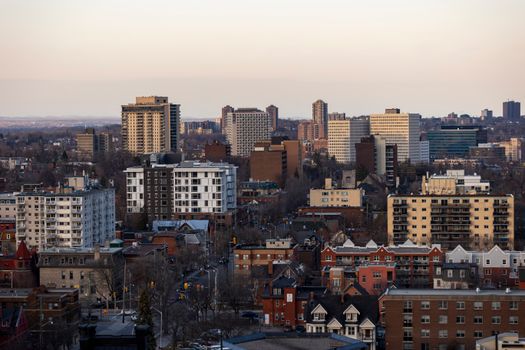
Ottawa's Westboro neighbourhood, already one of the city's hottest real estate markets, could soon see a new chapter written on the site of a local convent, as a development proposal calls for partial demolition and the construction of townhouses on the property.
What's Being Proposed
The plan would see part of the existing convent structure demolished to allow for new residential townhouse units to be built on the site. Rather than a full teardown, the partial demolition approach suggests developers may be seeking to preserve at least some of the heritage character of the building, a balance that Ottawa city planners and community groups often push for when dealing with older institutional properties.
Townhouses represent a middle-ground housing form that fits well into established neighbourhoods like Westboro, offering more density than single-family homes while avoiding the scale of a high-rise tower. In a city grappling with a housing affordability crunch, infill development on underutilized properties is increasingly seen as a practical solution.
Westboro's Ongoing Transformation
Westboro has been in the midst of a slow but steady transformation for years. The neighbourhood, which runs along Richmond Road near the Ottawa River, has long been popular for its independent shops, restaurants, and walkable streets. That popularity has driven up property values significantly, putting pressure on older and underutilized lots to be redeveloped.
Convent and church sites across Ottawa have become particularly attractive to developers as religious congregations downsize or relocate. These properties often sit on large lots in desirable neighbourhoods, making them prime candidates for residential intensification, though they frequently come with community pushback over heritage concerns and neighbourhood character.
The Intensification Debate
For residents, the prospect of new townhouses in Westboro will likely spark the familiar Ottawa debate between housing supply and neighbourhood preservation. Supporters of the development will point to the city's need for more ground-oriented housing options, townhouses remain among the most affordable entry points for families who don't want condo living but can't afford detached homes in the west end.
Critics, meanwhile, may raise concerns about traffic, parking, and the loss of a piece of Westboro's architectural history. Convent and institutional buildings often carry a sense of place that's hard to replicate once demolished, even partially.
What Comes Next
The proposal will need to work its way through Ottawa's planning approval process, which typically includes a community consultation phase and review by the city's planning committee. Residents in the area will have the opportunity to weigh in before any final decision is made.
For now, the Westboro convent site joins a growing list of Ottawa properties where the tension between heritage preservation and housing need plays out in real time, a tension that shows no signs of easing as the city continues to grow.
Source: Ottawa Business Journal