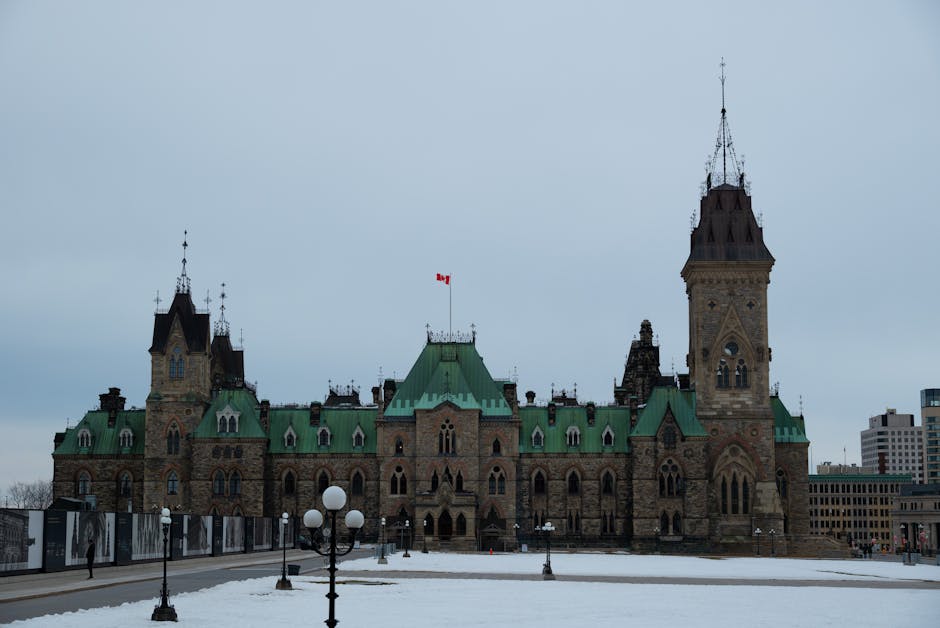
Ottawa is standing firm on sanctions against Russia's shadow tanker fleet even as the Trump administration paused its own measures -- a rare moment of Canada publicly diverging from Washington on a major geopolitical file, and one that signals the Carney government's intent to chart a more independent foreign policy course.
The shadow fleet refers to a network of aging, often uninsured oil tankers that Russia has used to export crude oil in defiance of Western sanctions imposed after the invasion of Ukraine. When the Trump administration announced it was easing its sanctions on these vessels -- reportedly as part of broader diplomatic maneuvering around Russia-Ukraine negotiations -- it created an immediate rift with allies.
Canada, France, and the UK Push Back
Prime Minister Carney joined the leaders of France and the United Kingdom in a joint statement condemning the Trump move and confirming that their countries would maintain and enforce existing shadow fleet sanctions. The three constitute a meaningful bloc -- two G7 members plus Canada -- applying diplomatic pressure on Washington from within the Western alliance.
"Canada will not waver in its support for Ukraine and in holding Russia accountable for its illegal war," Carney said, in language notably stronger than Ottawa has typically used toward the U.S. under this or previous administrations.
The Ottawa Perspective
For Ottawa's diplomatic and national security community, this episode is significant. Canada rarely takes a public position that directly contradicts U.S. policy, and doing so on a Russia file -- while the Trump administration is simultaneously conducting its own trade pressure campaign against Canada -- takes a degree of political nerve.
The move reflects a calculation by the Carney government that Canada's credibility as a serious international actor depends on demonstrating that its foreign policy positions are principled rather than purely reactive to U.S. preferences.
What Happens Next
The effectiveness of shadow fleet sanctions depends heavily on enforcement -- and with the U.S. stepping back, the burden falls more heavily on European and Canadian authorities. Canadian Coast Guard and border agency officials are now working with allies to ensure the gap left by U.S. enforcement is partially filled.
For Ottawa observers of international affairs, the episode raises a longer question: as the Trump administration continues to diverge from traditional Western alliance norms, how consistently can -- and will -- Canada maintain positions that put it at odds with its largest trading partner?