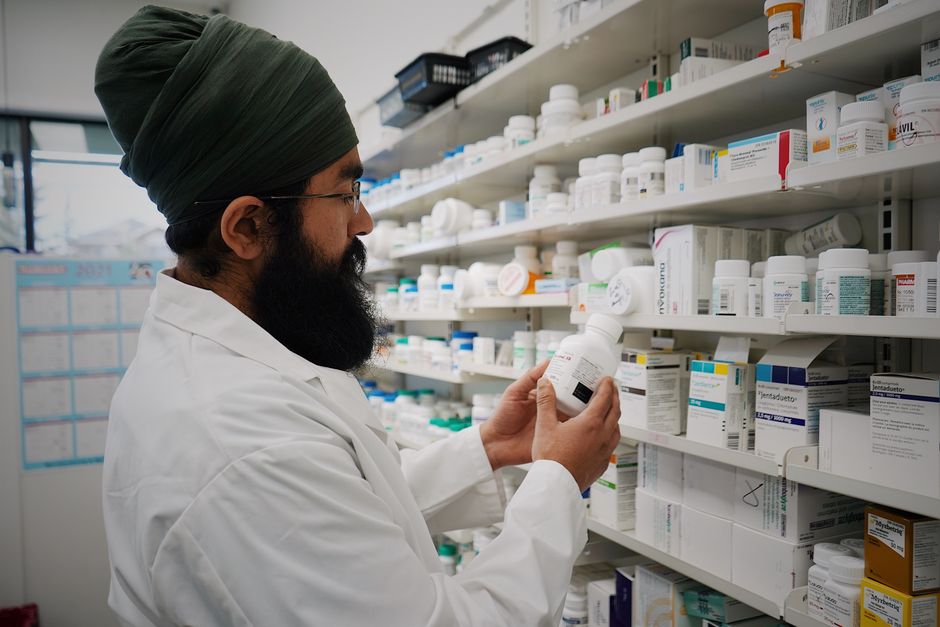
Ottawa families searching for hard-to-find medications have likely noticed empty shelves and delayed refills lately, and they're not imagining it. Ontario has been grappling with a province-wide drug shortage that's left pharmacists scrambling to keep patients on their prescribed treatments, and now some are looking to an old-school solution to fix a modern problem: compounding.
What Is Compounding, Anyway?
Compounding pharmacies aren't your typical corner drugstore. Instead of simply dispensing pre-made, mass-manufactured pills, these specialized labs prepare patient-specific medications from raw ingredients, tailoring doses, forms, and even flavors to individual needs. It's a niche corner of the pharmacy world that's suddenly getting a lot more attention.
According to the owner of Whole Health Compounding Pharmacy, Ontario's ongoing drug shortage is driving up demand for exactly this kind of made-to-order service. When a commercially manufactured drug becomes unavailable, whether due to supply chain hiccups, manufacturer discontinuations, or raw material shortages, compounding pharmacies can often step in and recreate a comparable formulation in-house, provided they have the right ingredients and a valid prescription.
Why This Matters for Ottawa
For Ottawa residents managing chronic conditions or relying on medications that have become difficult to source, the idea of a local, made-to-order alternative is more than just industry news. It's a potential lifeline. Ottawa's pharmacy landscape, like the rest of Ontario, has felt the strain of the shortage, with patients sometimes forced to call multiple pharmacies across the city just to track down a single prescription. If compounding pharmacies can pick up some of that slack, it could mean shorter waits and fewer frustrating dead ends for people trying to stay on top of their health here at home.
A Growing Role, With Limits
It's worth noting that compounding isn't a cure-all. Not every medication can be safely or legally recreated outside a manufacturer's facility, and compounded drugs undergo a different regulatory pathway than mass-produced ones. They're not subject to the same large-scale clinical testing, since they're prepared for individual patients rather than the general public. Pharmacists in this space emphasize that compounding works best as a complement to, not a full replacement for, traditional pharmaceutical supply chains.
Still, as Ontario's shortage drags on with no clear end date from manufacturers or regulators, the increased reliance on compounding pharmacies signals a broader shift in how patients and pharmacists alike are adapting. For Ottawa residents who've hit a wall trying to fill a prescription recently, it might be worth asking a local pharmacist whether a compounded alternative is an option.
As the shortage continues to ripple through the healthcare system, keep an eye on how local pharmacies, compounding or otherwise, adjust to meet the moment. It's a reminder that even in a supply crunch, Ottawa's healthcare community keeps finding ways to adapt.
Source: Ottawa Citizen