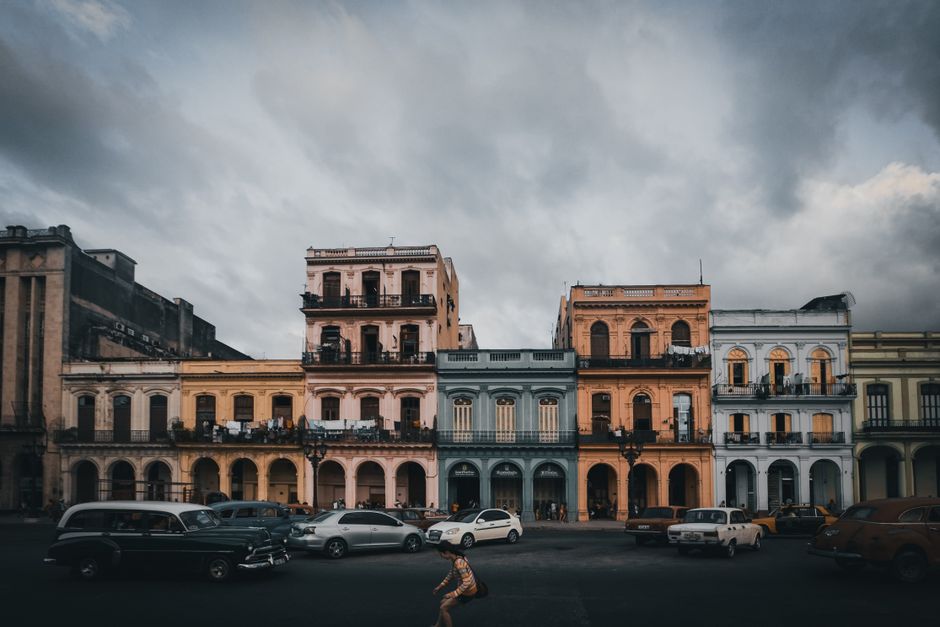
Ottawa's Cuban community is watching with heavy hearts as images emerge from the island showing protesters ransacking a local Communist Party office, the latest eruption of fury over a crippling energy crisis that has left millions of Cubans without reliable electricity, food, or fuel.
What Is Happening in Cuba
According to both the BBC and The Guardian, protests broke out this week in Cuba as frustration over rolling blackouts, medicine shortages, and food scarcity boiled over into rare public confrontation with state institutions. In one widely circulated incident, a group of protesters ransacked a Communist Party office, an act of defiance that carries enormous symbolic weight in a country where dissent has historically been met with imprisonment.
Five people have been arrested for what state media described as "vandalism." Human rights observers note that Cuba regularly criminalizes protest activity, and the real number of detentions is likely higher.
The Roots of the Crisis
Cuba's energy crisis has been building for years, driven by a combination of aging Soviet-era infrastructure, fuel shortages worsened by the U.S. economic blockade, and the economic devastation of the COVID-19 pandemic. In some regions, Cubans are enduring 18–20 hours of blackouts per day, making refrigeration of medicine and food nearly impossible, and daily life extraordinarily difficult.
The government has blamed U.S. sanctions almost exclusively. Critics, including a growing number of Cuban economists, point to decades of mismanagement and structural failure within the state-controlled economy.
Ottawa's Connection
Ottawa is home to one of Canada's larger Cuban-Canadian communities, and the capital has long been a destination for Cuban professionals, doctors, engineers, and academics, who emigrated during earlier waves of political and economic upheaval.
Canada also maintains a historically unique relationship with Cuba compared to the United States, having never severed diplomatic ties. The Department of Global Affairs Canada, headquartered in Ottawa's Lester B. Pearson Building, manages this relationship, and the current crisis puts Canadian diplomats in a delicate position: how to advocate for human rights without undermining a longstanding bilateral relationship.
What the Protests Signal
The protests are remarkable not just for their existence, but for their target. Attacking a Communist Party office is not a spontaneous act of desperation. It's a directed statement about who is responsible for the suffering. For a government that has ruled Cuba since 1959, this kind of directed public anger represents a qualitatively different challenge than past unrest.
Whether these protests grow, are suppressed, or fizzle out remains to be seen. But the desperation behind them, and the courage it takes to act in a country with a long history of political repression, deserves Ottawa's full attention.

